You’ve already made the call to bring decodable books into your reading instruction — now comes the fun part: making the most of them. A common misconception is that decodable practice has to mean flat, repetitive read-alouds. It doesn’t. With the right activities, decoding practice can be genuinely engaging, and engagement is what keeps students coming back for more repetition — which is exactly what builds automaticity.
Below are eight low-prep, high-engagement ways to use decodable books in your classroom or at home, plus a few tips on why each one works.
1. I Point, You Read
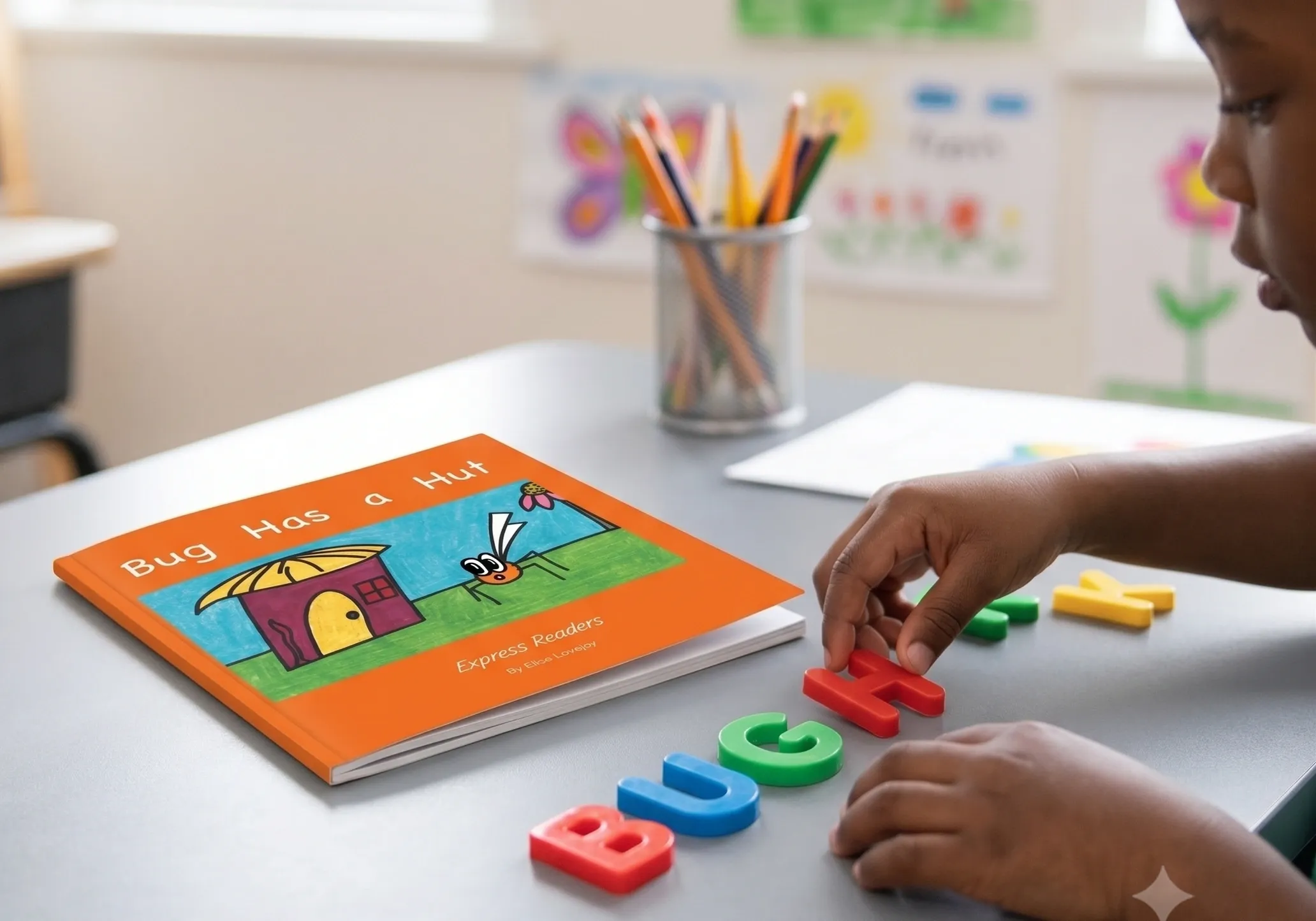
Pair students up: one points to each word while the other reads aloud, then they switch roles. This partner structure builds confidence in a lower-stakes setting than reading solo in front of the group, while giving both students active practice — the pointer is tracking print, and the reader is decoding. Teacher tip: Model the activity first and set clear expectations for patience and pacing. Reading aloud can be genuinely stressful for some students, so framing this as low-pressure practice (not performance) matters.2. Autographs and Partner Reading
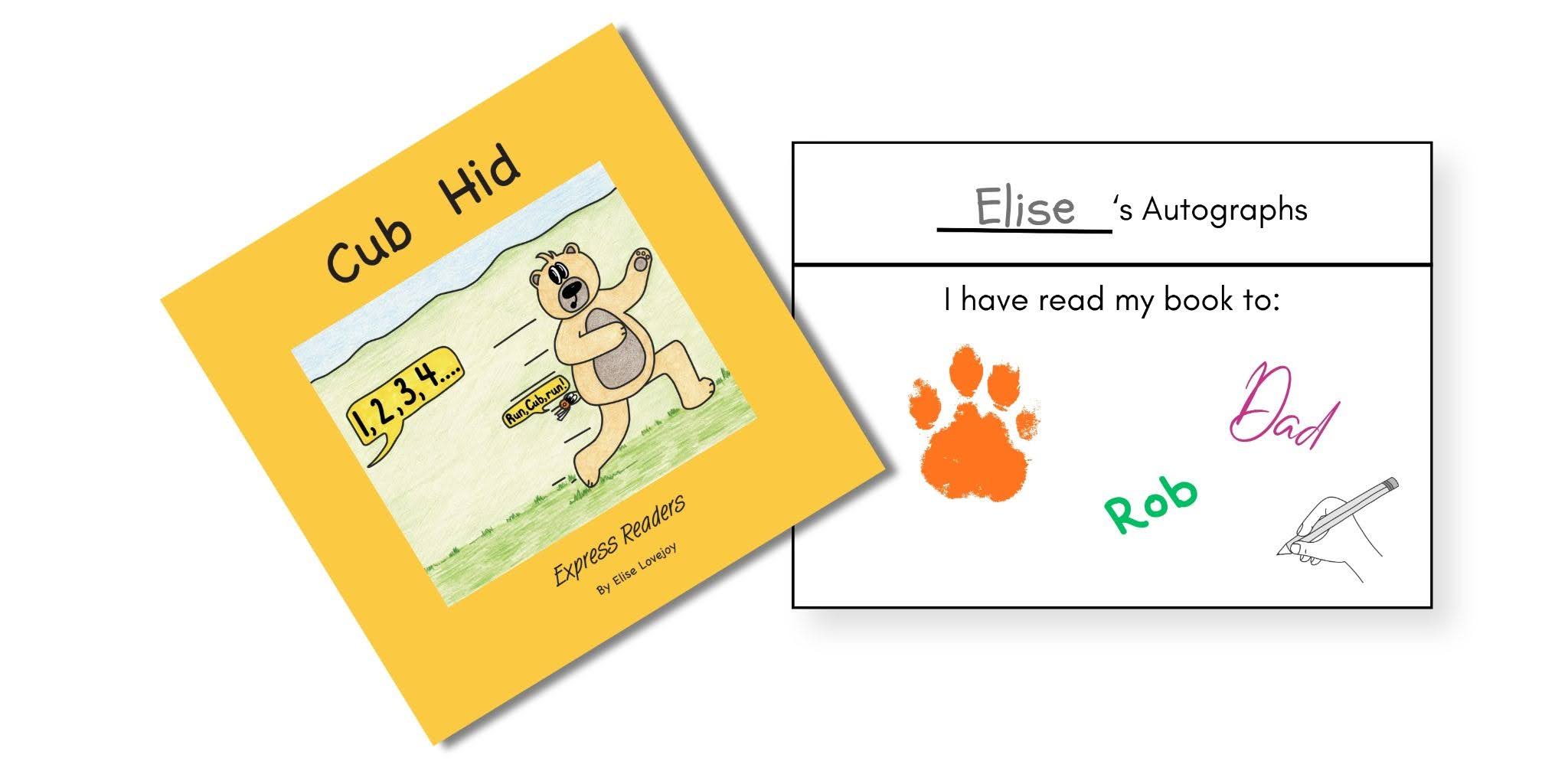
Turn reading practice into a small celebration. Students pair up, read a decodable book to a partner, and “sign” each other’s reading log like an autograph — a special sheet or booklet works well for this. For students who aren’t ready to read to a peer yet, the same idea works with a stuffed animal or class pet, collecting a paw-print “autograph” instead. Why it works: It reframes oral reading as a social, positive experience instead of a test of skill.
3. Mapping Sight Words as a Group
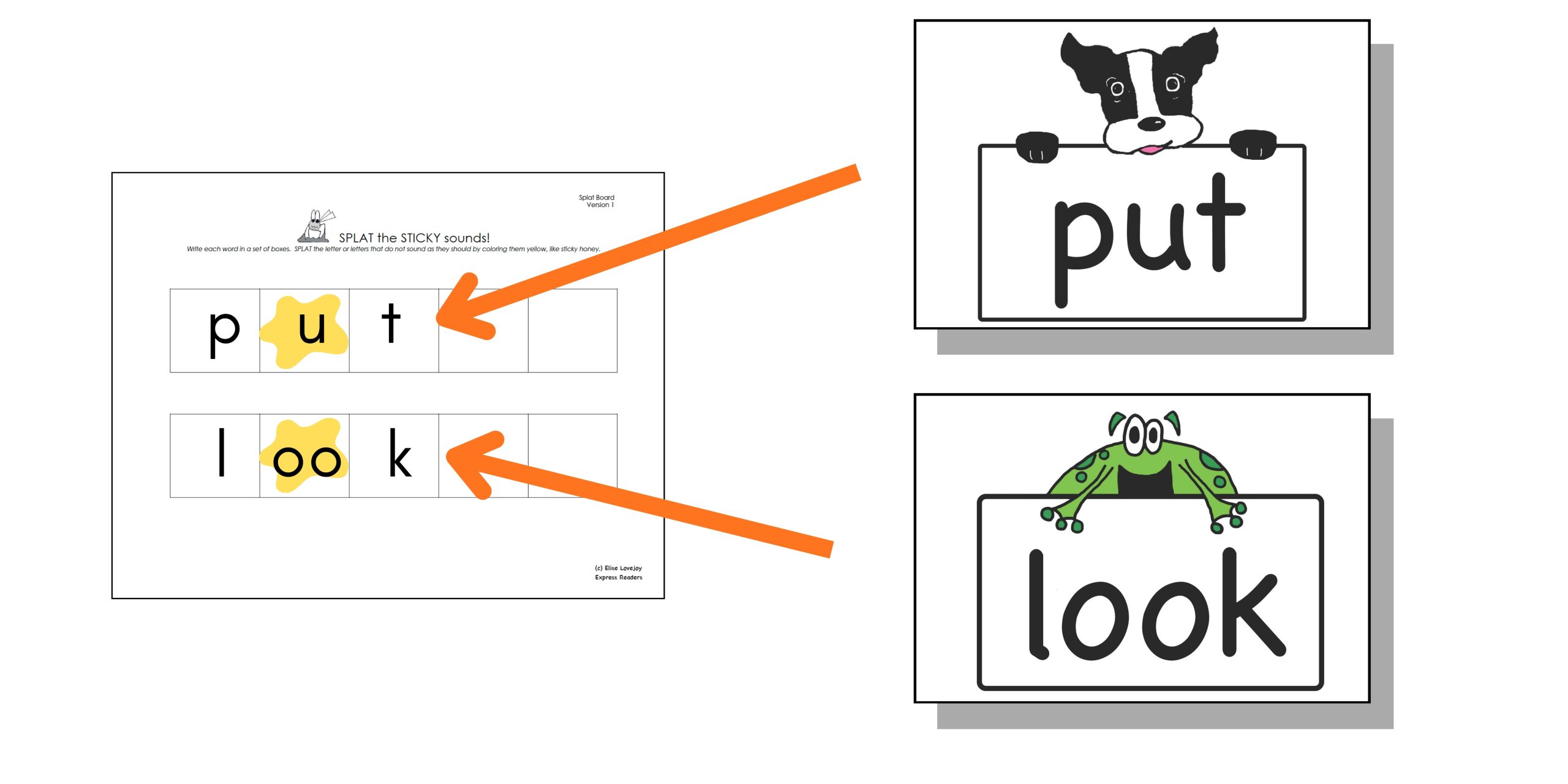
Not every word in a decodable text is fully decodable yet — irregularly spelled high-frequency words (sometimes called “sticky words”) need their own strategy. Rather than asking students to memorize them by sight alone, map the word’s sound-spelling structure together as a class, then send students on a “word hunt” through the text to highlight every sticky word they find. This activity supports orthographic mapping by giving students a chance to identify the sounds in the words and identify spellings that don’t follow the skills they have learned. This either allows an exposure to a new spelling for a sound or for an opportunity to explain an irregular sound-spelling.
4. Matching Cards and Memory
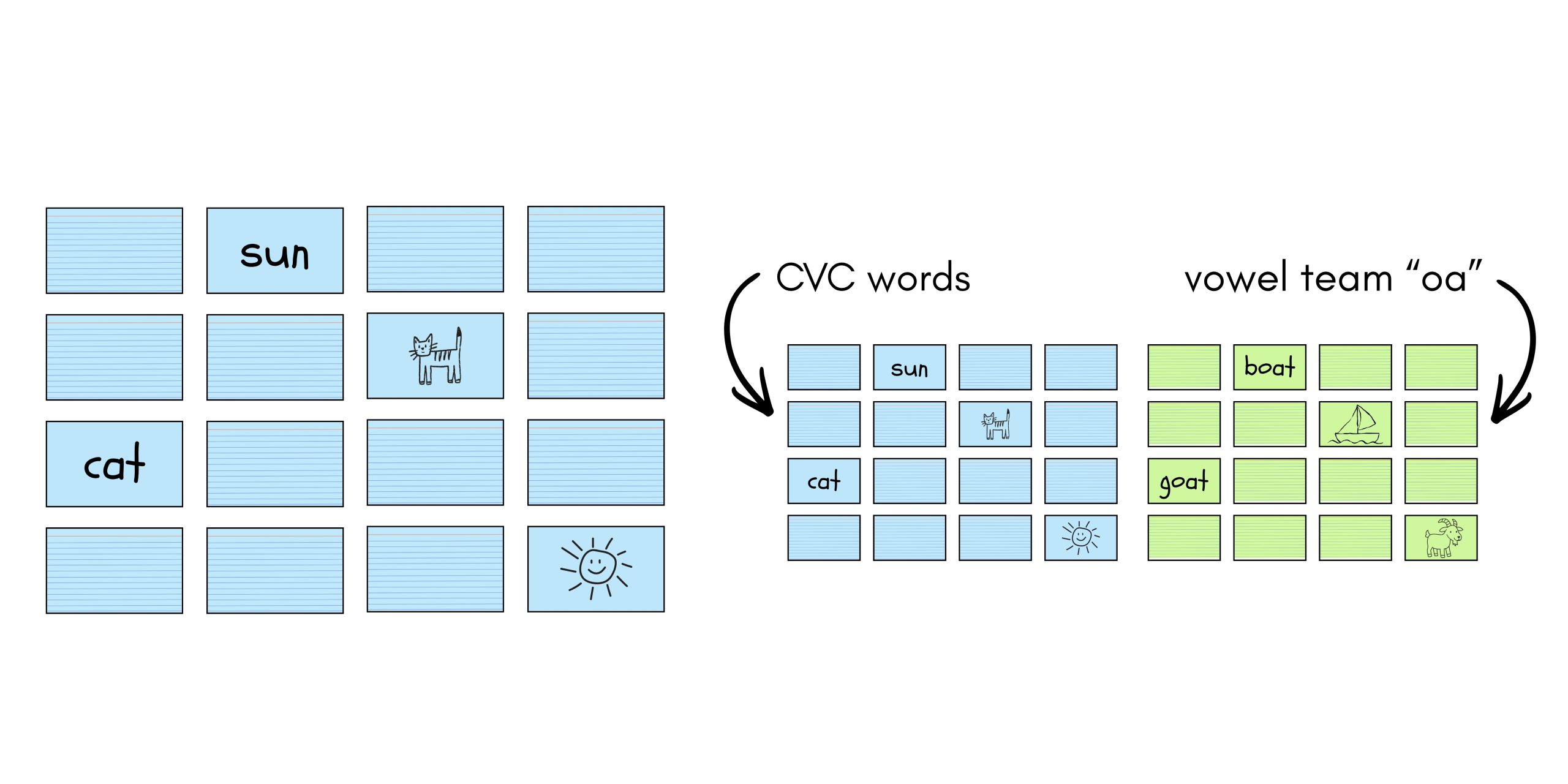
Vocabulary knowledge is a major driver of reading comprehension, and decodable texts are a natural place to build it. Have students pick 3–6 new or interesting words from a decodable book, then create matching card pairs — one card with the word, one with a hand-drawn illustration. Once the cards are made, students can play a simple matching game with a partner, or combine sets for a Memory-style game where players flip two cards at a time looking for a word-and-picture match. Prep tip: Card stock or thicker paper keeps students from seeing through the cards during Memory.
5. Creative Writing Prompts
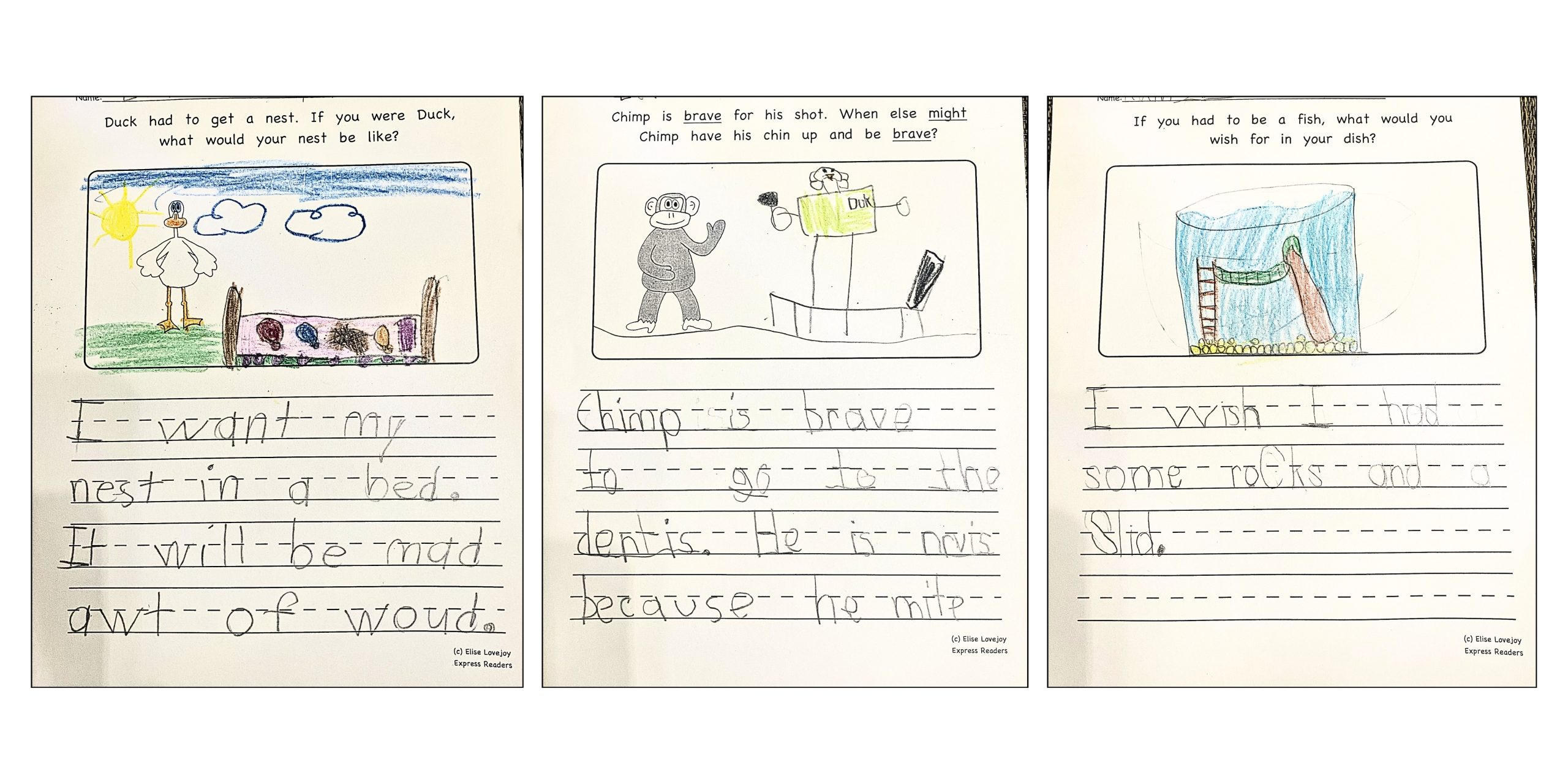
After reading a decodable book, ask students to write and illustrate an answer to a prompt about that book. By providing a space to write about a decodable book, students can encode based on a spelling-pattern they have been learning. A favorite prompt: “What would you have done?” — inviting students to imagine their own solution to a problem from the book they just read. Teacher tip: If a student reaches for a spelling pattern they haven’t been taught yet, that’s expected — encourage their best attempt rather than correcting a skill that hasn’t been introduced
6. Phonemic Awareness Games
Phonemic awareness — hearing and manipulating individual sounds in spoken words — doesn’t stop mattering once phonics instruction begins; the two skills reinforce each other. During small-group phonics instruction, give students counters, blocks, or small manipulatives, and have them push one object for each sound they hear as they say a word slowly. Pro tip: Pop-It fidget toys work great here — one “push” per sound. A decodable book is basically a teacher-ready list of words to use in these phonemic awareness activities if you want to follow the segmenting and blending with writing. Say a word, students use manipulatives to show how many sounds are in the word, and then students write the spelling for each sound in the word.7. Word Hunts and Sound Finds
Students search for words containing a target phonics pattern, either in their decodable book or around the classroom. Highlighters make this activity a hit with younger students, and sticky notes work well for a classroom-wide hunt. For older students, try having them log the words they find in a chart, then illustrate a few.8. Word Ladders
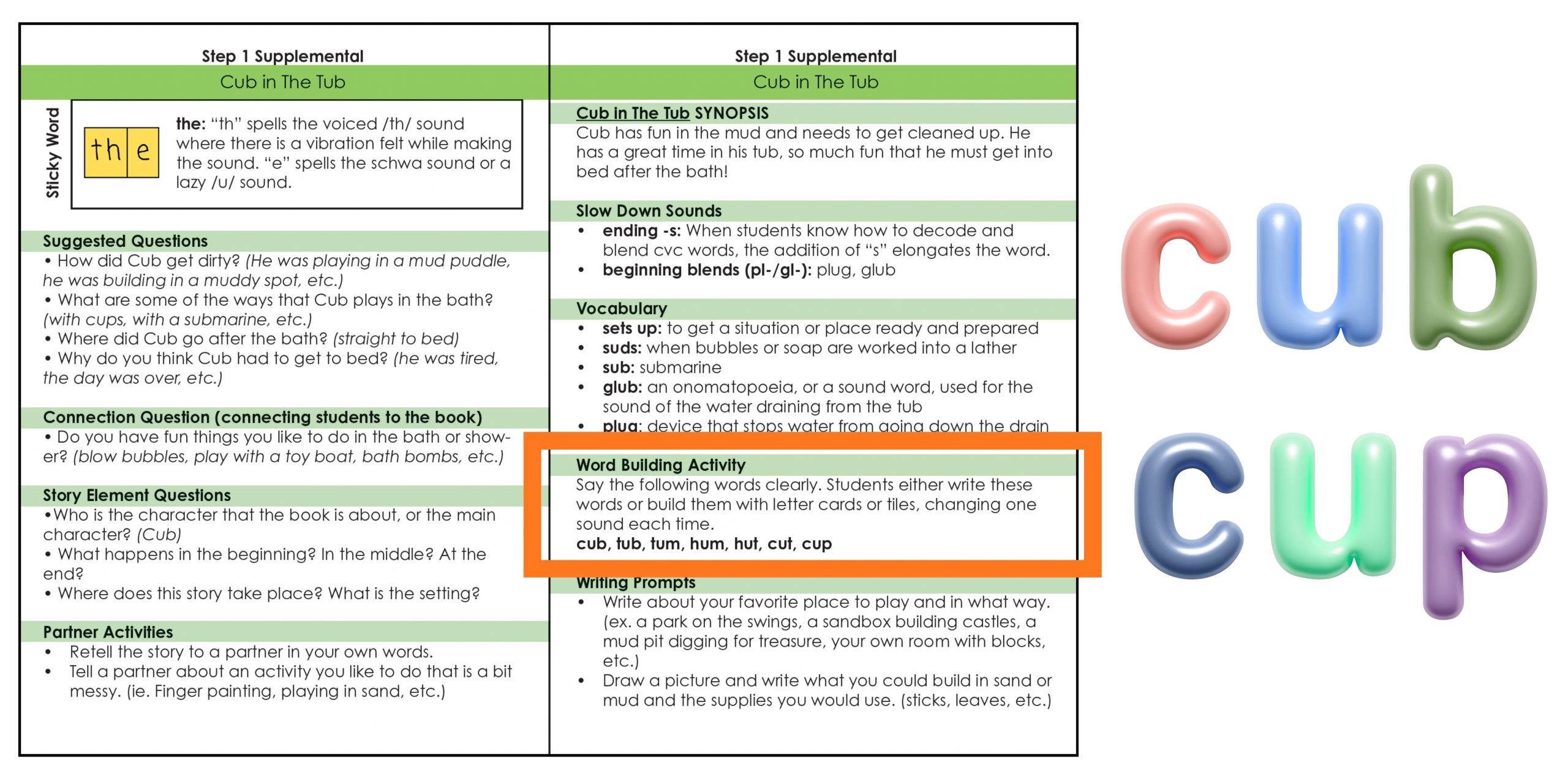
Give students a starting word to build or write, then call out a new word that changes just one or two sounds at a time — building automaticity with related spelling patterns as students track how small changes shift meaning and pronunciation. Time-saver: Pre-built word ladder sequences (Lists can be found in the Express Readers Quick Keys for each book to save prep time if you don’t want to build your own lists from scratch).
Making Decodable Practice Something Students Look Forward To
The research is clear that explicit, systematic phonics instruction is the most effective path to reading proficiency — and decodable books are a core tool in that instruction. But research-backed doesn’t have to mean repetitive. With activities that build in movement, partnership, and a little bit of play, decodable reading time can become one of the parts of the day students actually ask for. Whether you’re a classroom teacher building out small-group rotations or a parent looking for ways to make home reading practice less of a battle, these eight activities are a place to start — pick one or two, and build from there.