Decodable books get talked about a lot in literacy circles — sometimes accurately, sometimes not. As more classrooms and families move toward structured, phonics-based reading instruction, it’s worth clearing up some of the most common misunderstandings about what decodable books actually are, what they’re for, and where their limits lie.

Myth 1: A Decodable Book Only Contains Words That Can Be Sounded Out
Whether a book is truly “decodable” depends entirely on the reader. A book is decodable for a given student only if that student has already learned the specific phonics patterns it uses. Quality decodable books identify exactly which skills they cover, aim for a high percentage of words built from those skills, and clearly flag any words that fall outside them — usually because of irregular spelling or phonics not yet taught.Myth 2: All Decodable Books Follow the Same Scope and Sequence
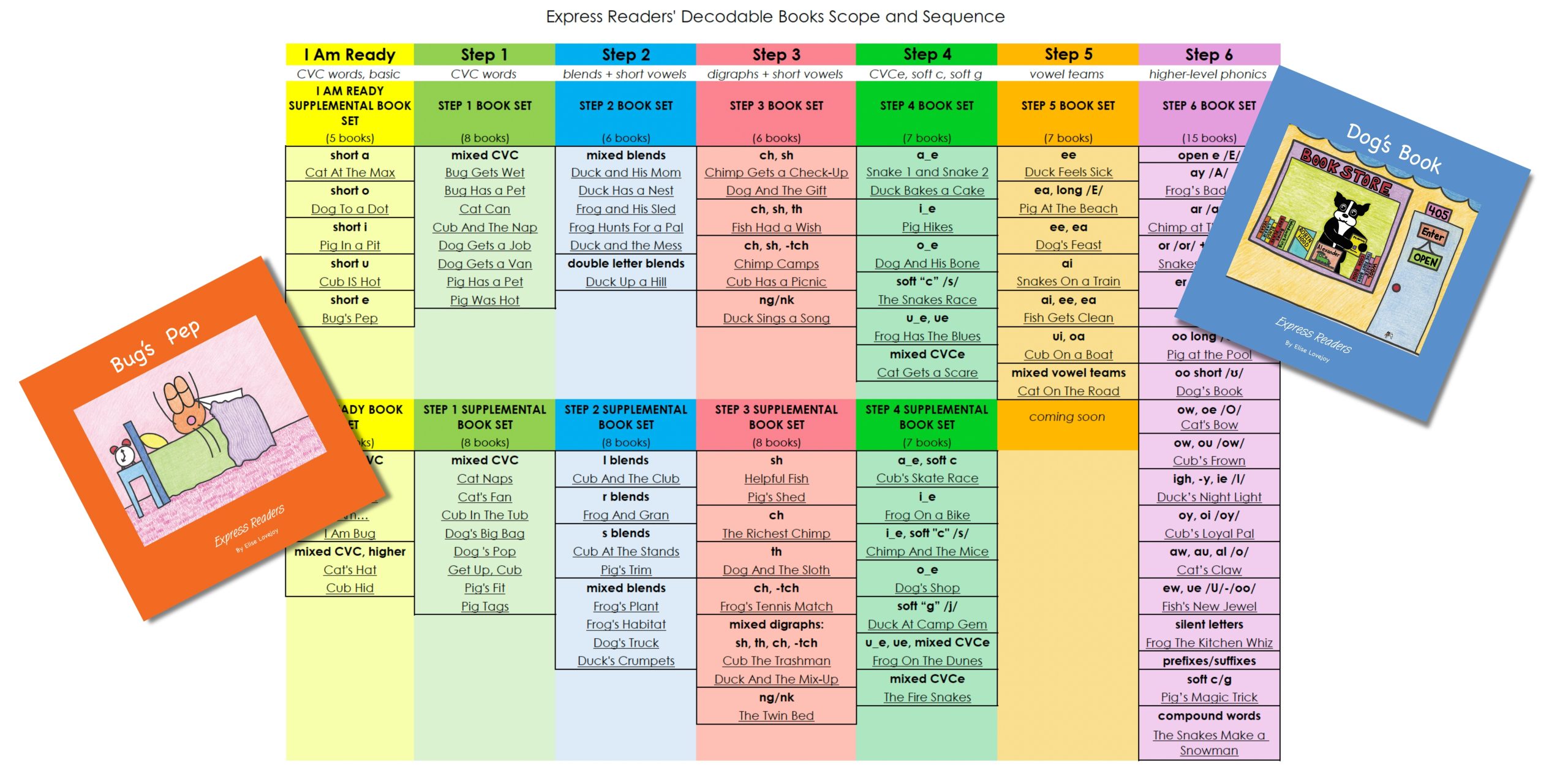
Every decodable series follows a scope and sequence, but not necessarily the same one — it varies by publisher and program. There isn’t strong research pointing to one single “correct” order for teaching phonics skills; what the evidence does support is that skills need to be taught explicitly and systematically, in some deliberate order. Teacher tip: If you love a series that doesn’t perfectly match your classroom’s scope and sequence, don’t rule it out — mark it up. Circling, highlighting, or flagging words with a not-yet-taught pattern lets you adapt a great book to fit your students’ current skill level
Myth 3: Knowing the Phonics Means a Student Can Read the Book
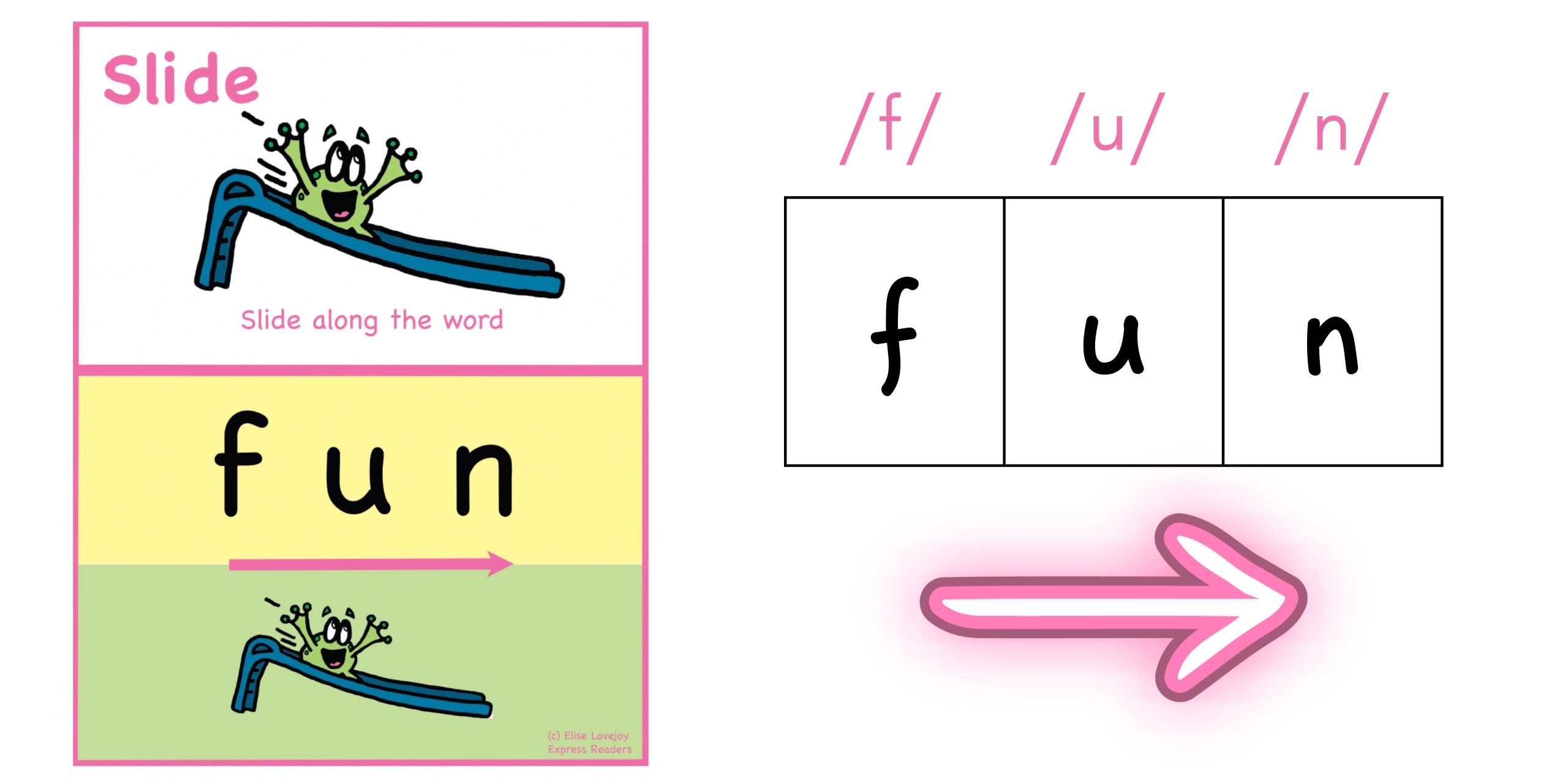
Phonics knowledge is necessary, but it isn’t sufficient on its own. Reading also requires blending — the ability to mesh individual spoken sounds into a whole word — along with enough background knowledge and vocabulary to attach real meaning to what’s been decoded. Without that meaning layer, decoding just produces a string of sounds, not comprehension. Blending in particular is often underestimated; it’s a skill that needs its own explicit instruction and practice, usually through phonemic awareness activities, well before a student sits down with print.
Myth 4: Decodable Books Are a Great Source for Content Knowledge
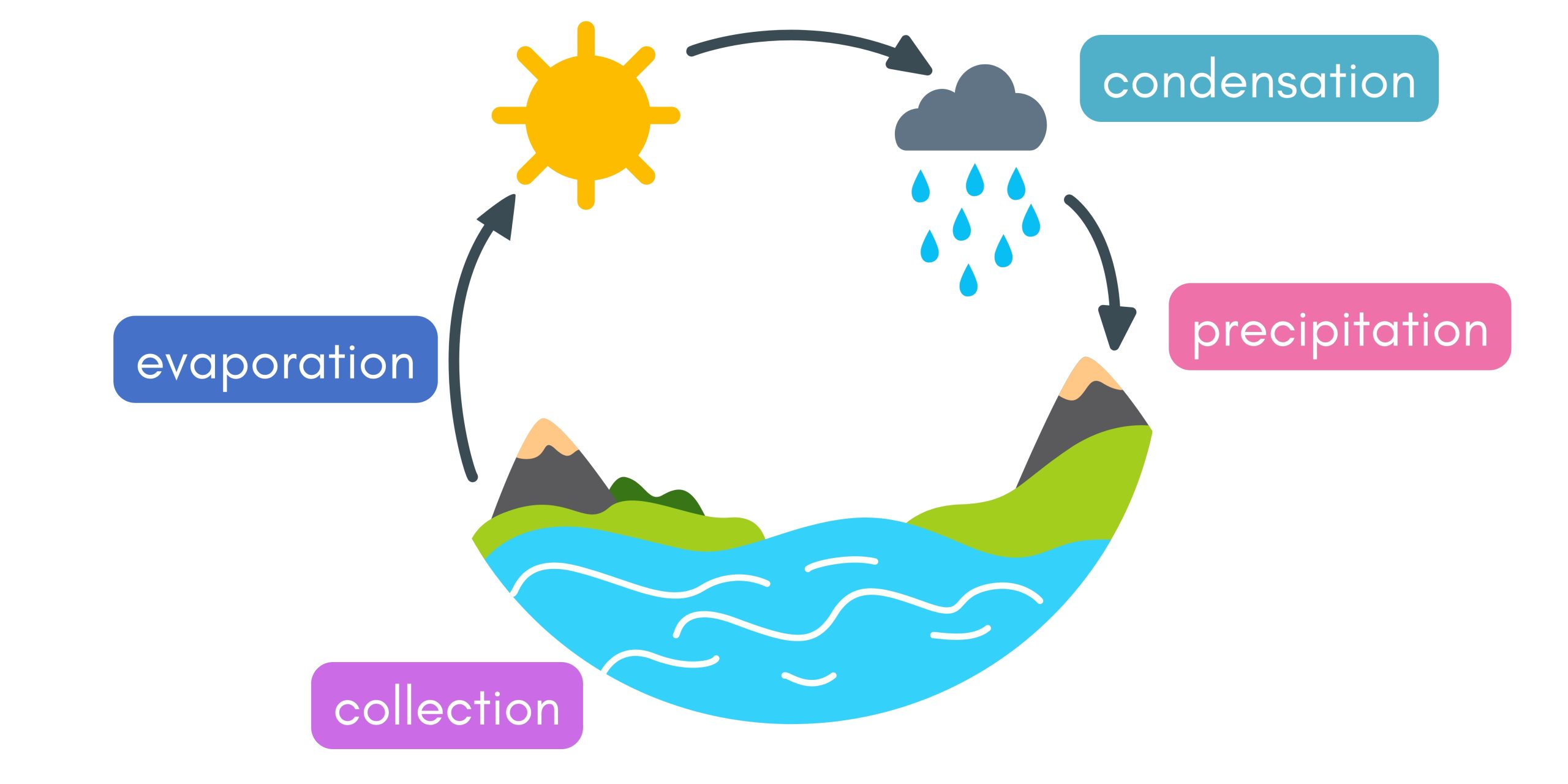
Decodable books are built for phonics practice, not complex vocabulary expansion — and that’s by design. Because young children can absorb rich, advanced vocabulary orally well before they can decode it in print, limiting their content exposure to only what’s currently decodable would shortchange their learning. A kindergarten discussion about the water cycle, for example, should still include words like precipitation and evaporation, even though none of those words are not decodable at a kindergarten phonics level. Equitable access to knowledge shouldn’t wait for decoding skills to catch up — non-fiction content and read-alouds can and should use richer language than a student’s current decodable level.
Myth 5: Students Should Only Read Decodable Books
Decodable books have a specific job: practicing phonics and supporting independent, student-read text. That doesn’t mean they’re the only books that belong in a child’s hands. The real test is whether a student is required to read the words independently — if so, the text should be decodable or the reading should be heavily supported by an adult. Outside of that, students should browse, enjoy, and be read to from all kinds of books.
Myth 6: The Stilted Language in Decodable Books Will Hurt Students’ Speech
Decodable books occasionally use slightly awkward phrasing to keep sentences both sensible and decodable. The concern that this “trains” kids to speak incorrectly doesn’t hold up well — the amount of unusual phrasing is typically minimal, and any concern can be addressed directly by simply discussing the sentence with students and asking how else it might be phrased.Myth 7: Decodable Books Have Predictable Patterns
This one flips the actual goal on its head. Predictable, patterned text — common in many leveled and whole-language readers — invites students to guess upcoming words based on rhythm or repetition rather than attending to the letters on the page. That can create the illusion of reading without the substance of it. Decodable books are built to do the opposite: keep attention on the phonics itself. (To be clear, predictable and rhyming books still have real value — just for different goals, like language development, auditory discrimination, and general enjoyment, not phonics practice.)Myth 8: Decodable Books Are Boring
This one used to be more true than it is today. Early decodable books leaned heavily on flat, plotless sentences purely in service of phonics constraints. But the field has grown significantly — today’s decodable book market includes far more engaging, varied storytelling, and there’s a real range of series available for teachers and parents to find one that resonates with their students.Myth 9: All Decodable Books Are the Same
Not even close. Today’s decodable landscape includes everything from graphic novels and comic-style formats to large-font editions and series designed to feel age-appropriate for older struggling readers, not just early elementary students. That variety is a good thing, but it does mean evaluating a series takes a bit more thought. When choosing, consider:- Scope and sequence — does it complement what you’re already teaching?
- Content and style — is it age-appropriate and engaging for your students?
- Format and accessibility — does spacing, font size, and page layout work for your students’ needs?
The Bottom Line
Decodable books are a genuinely valuable tool for practicing learned phonics skills — but like any tool, they work best when their purpose and limits are well understood. They’re not meant to replace rich vocabulary exposure, they’re not the only books a child should encounter, and not all decodable series are built the same way. Choosing well takes a little more intention, but it’s worth it.