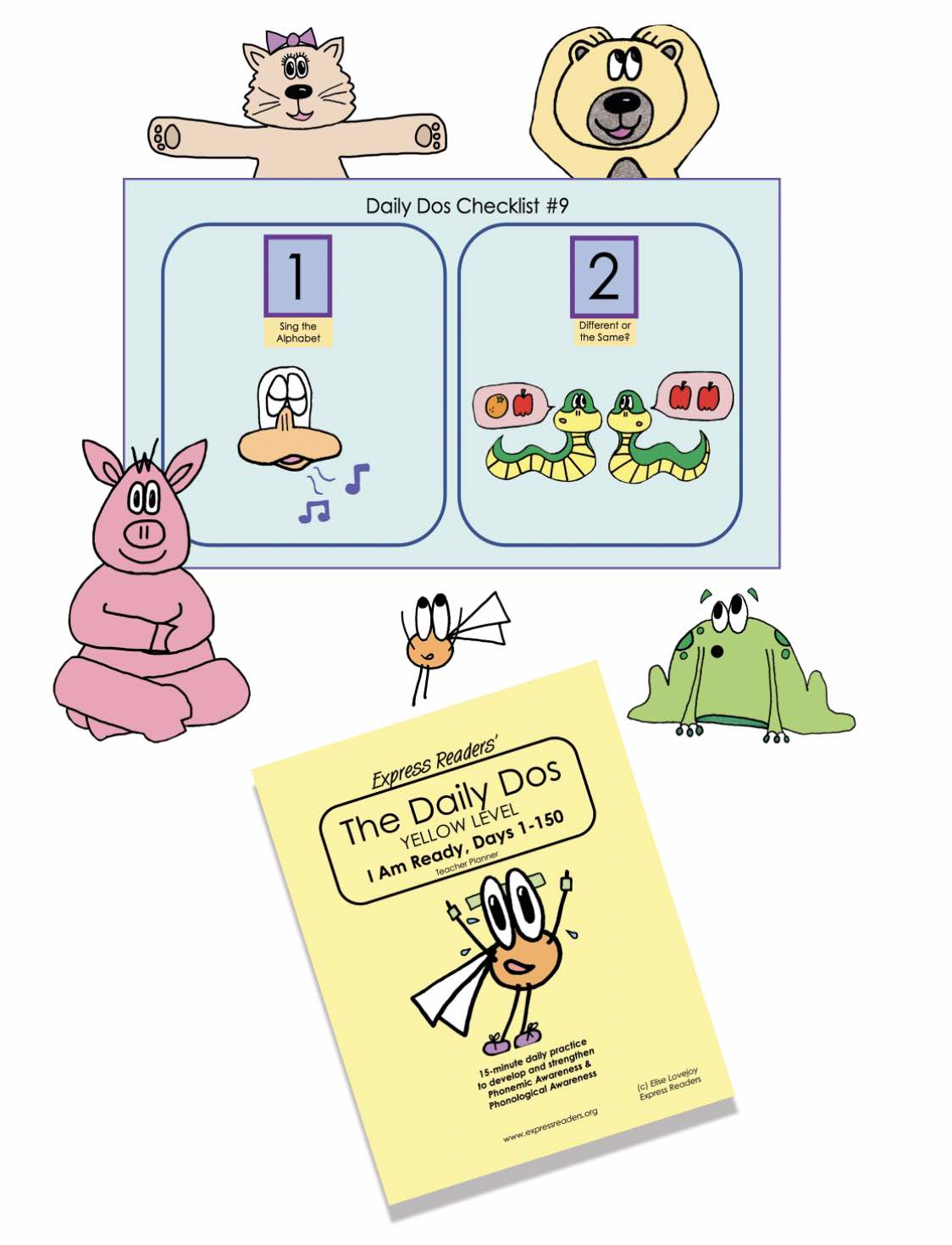
The foundation of the I Am Ready Program is phonemic awareness. Students are prepared to become strong readers after they understand that words are composed of sounds, and that those sounds are represented in the words we read.
Phonemic Awareness practice is woven throughout lessons, but the Daily Dos is the systematic, daily practice.
Through movement and play, students will identify and isolate sounds, blend and segment auditory words, be introduced to phonics and letter recognition, and more.
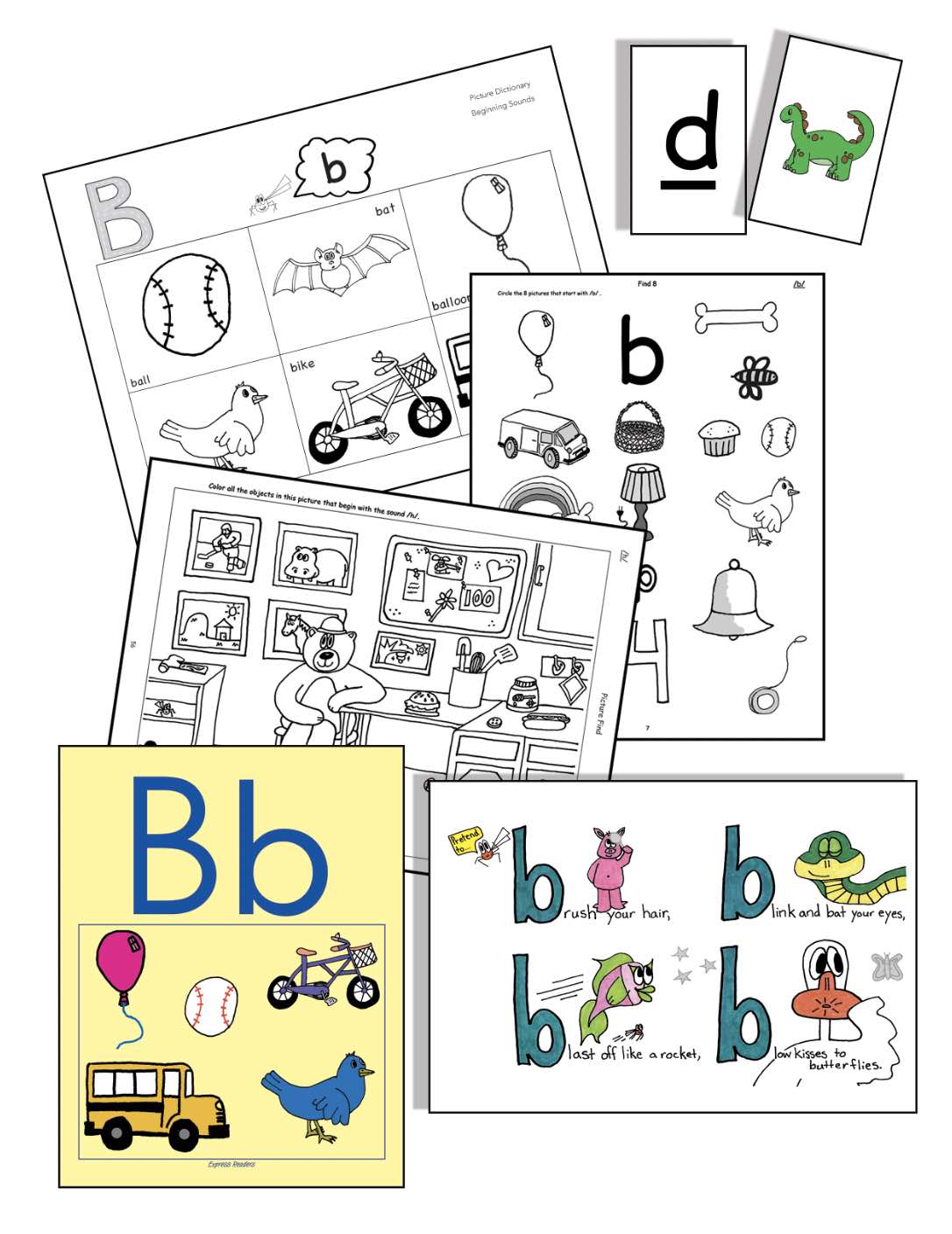
Phonics is the knowledge of sound-to-symbol relationships. In the I Am Ready Program, a significant emphasis is placed on the sounds spelled by letters and the recognition of those letters.
The program has hands-on activities, teacher-led lessons, mini-lessons, and consumables to help teach, practice, and review all of the basic phonics skills needed to begin decoding and blending.
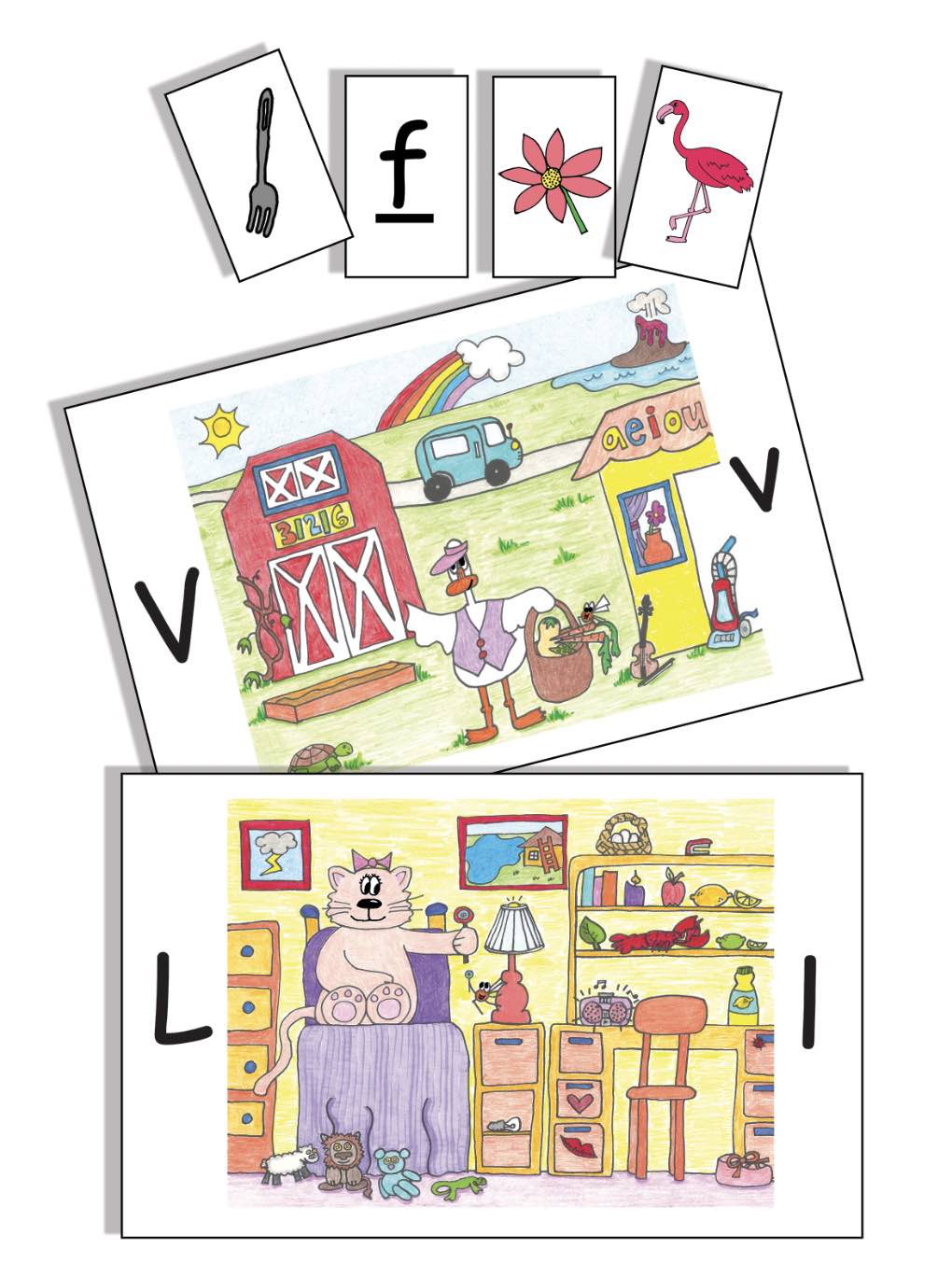
Language acquisition and vocabulary growth are essential in the early years of education, especially for students learning English.
Through vibrant visuals, planned class discussions, and a multitude of opportunities with resources, students are given the words and repetition to expand their communication through language.
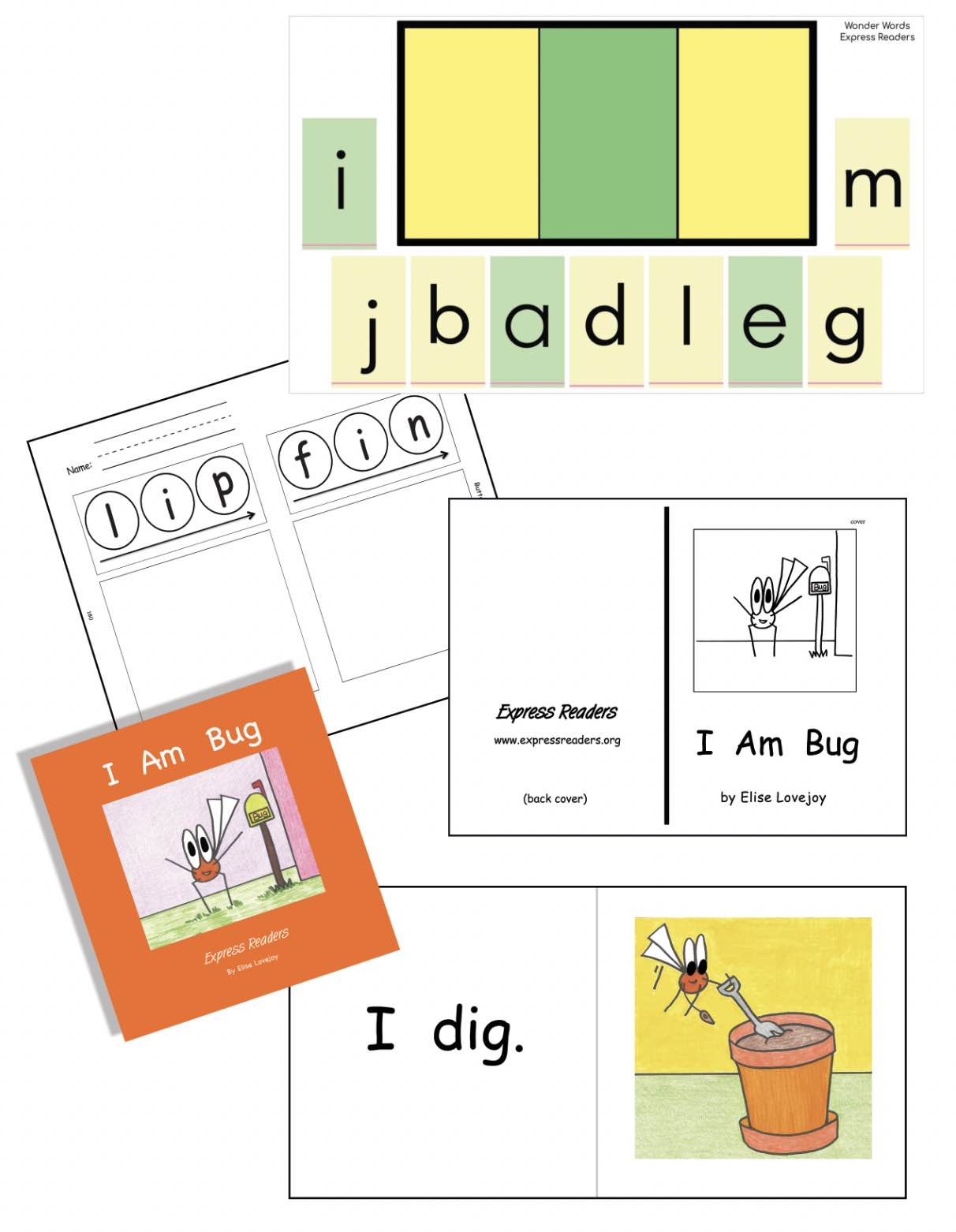
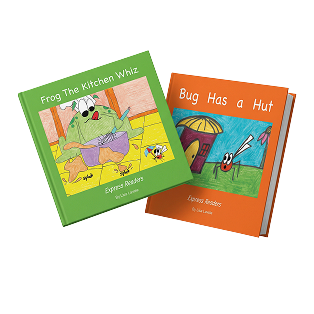
Reading foundational skills begin long before ever seeing letters, as students listen to sounds in spoken words and watch modeled reading in Express Readers.
In the I Am Ready Program, the beginning of decoding and blending based on written phonics begins shortly after students learn a handful of sound spellings. Reading is taught and practiced with letter cards, activities in the Practice Pages, decodable books, and more.
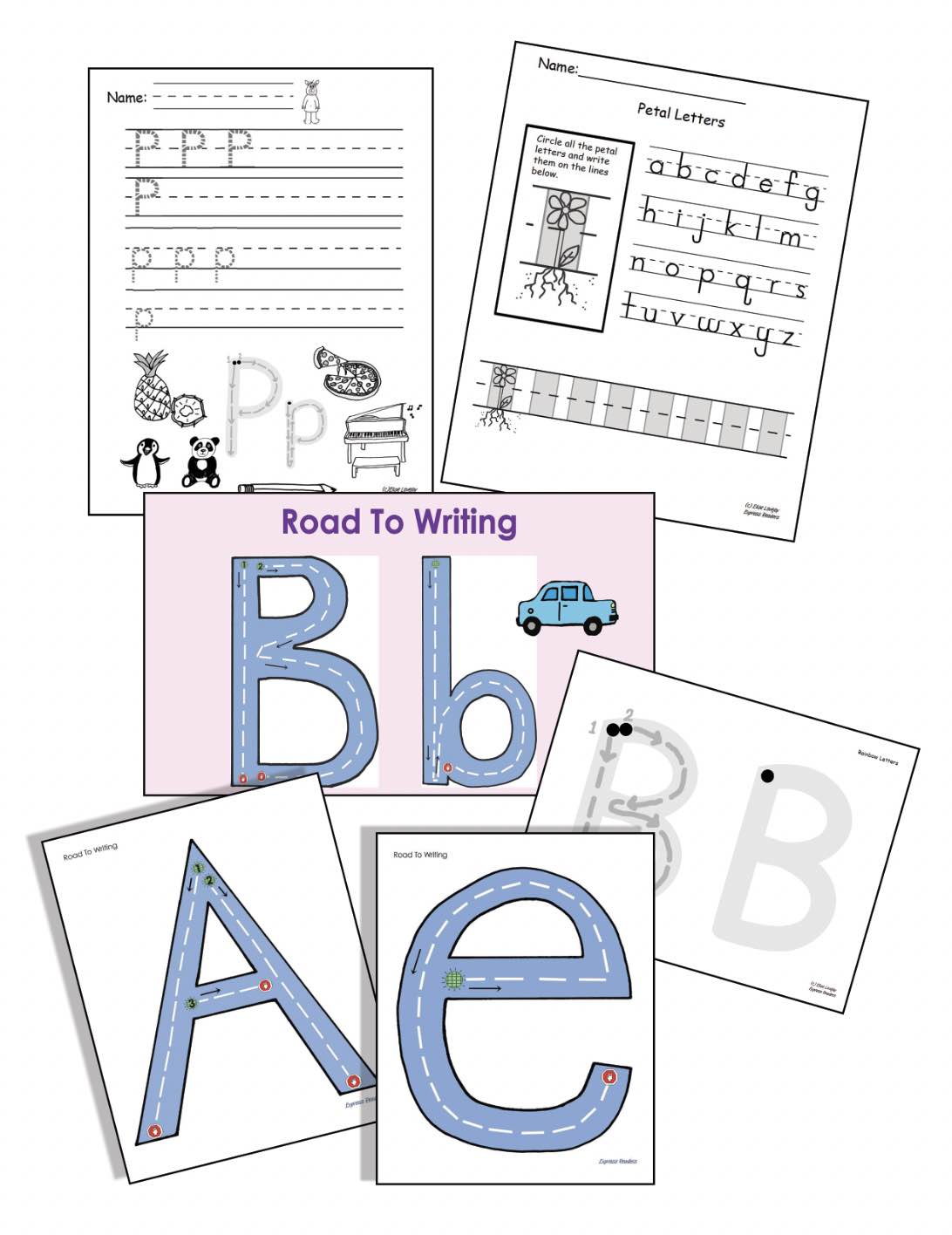
Handwriting is a combination of skills; Express Readers believes that in order for students to feel successful, we need to help scaffold the process for children and provide adequate practice at all levels.
Students begin with a focus on the direction of letters and the large, muscle-memory for formation; next, students learn and practice holding a writing utensil with the specific purpose of writing letters; Ultimately, students learn and work to fit their letters correctly within handwriting lines.
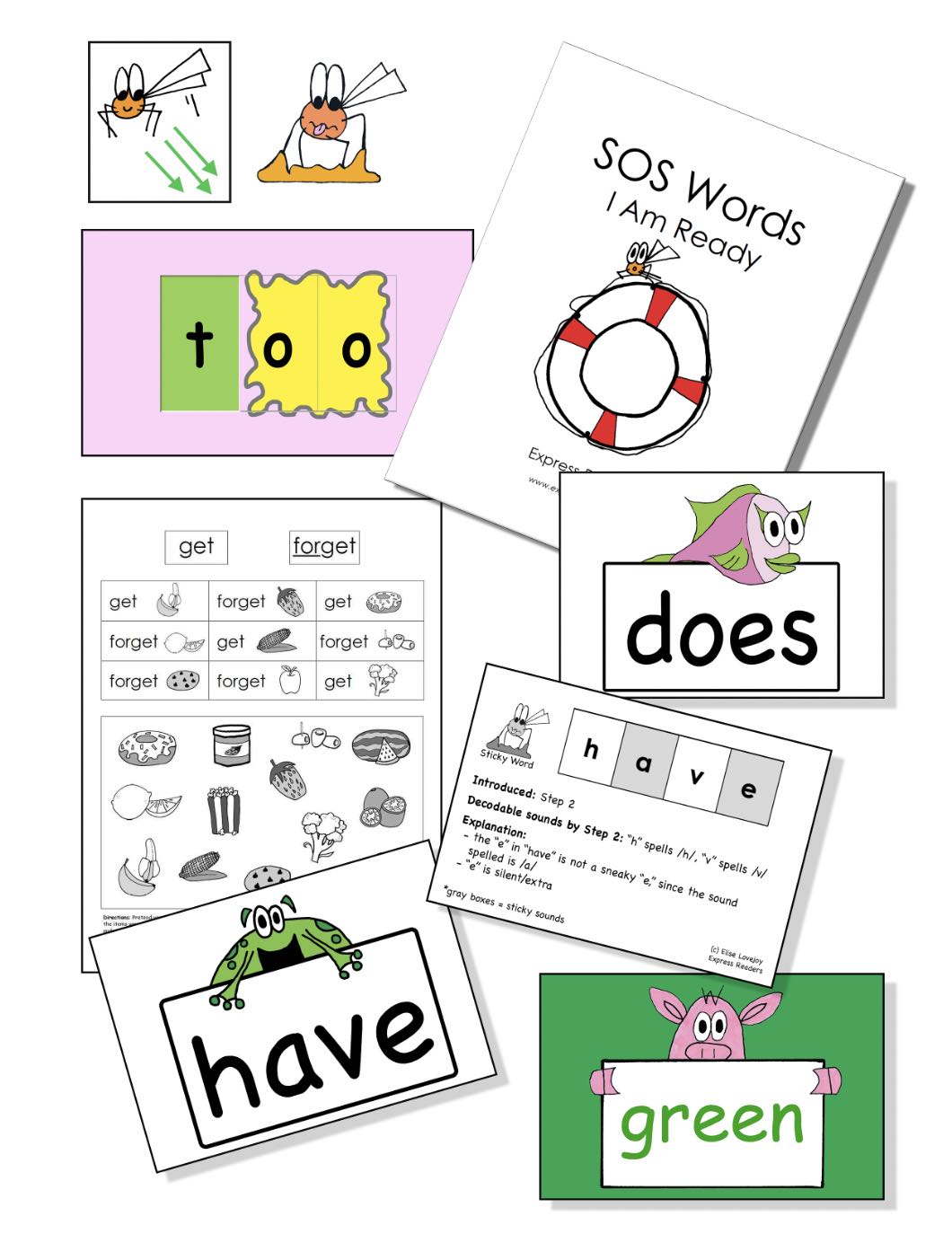
Sight words in the Express Readers program are categorized as either see-me-say-me words or sticky words.
See-me-say-me words are words that are decodable at the skill level of the child and are high frequency. Many sticky words from previous Steps become see-me-say-me words in Step 6.
Sticky words are words that have irregular spellings or are not decodable for the student yet. Students need to orthographically map the difficult sound-spellings to retain and retrieve those words quickly during reading. Sticky words are identified, mapped, and then practiced in decodable activities until mastery.
Find answers about our literacy books, classroom resources,
This program is ideal for:
It supports both beginner readers and children who need additional foundational skill development.
The curriculum builds essential early literacy skills, including:
Reading is taught systematically through:
This structured approach ensures children learn to read with confidence and accuracy.

Phonemic Awareness is practiced while seeing the letters and spellings for the sounds OR a visual to help with vocabulary acquisition. Phonemic Awareness is practiced systematically through Step 5 and informally reviewed beyond Step 5.
Phonemic Awareness practice is woven throughout lessons, but the Daily Dos is the systematic, daily practice. Through movement and play, students identify and isolate sounds, blend and segment auditory words, practice phonics and letter recognition, and more.
Supporting Resources:
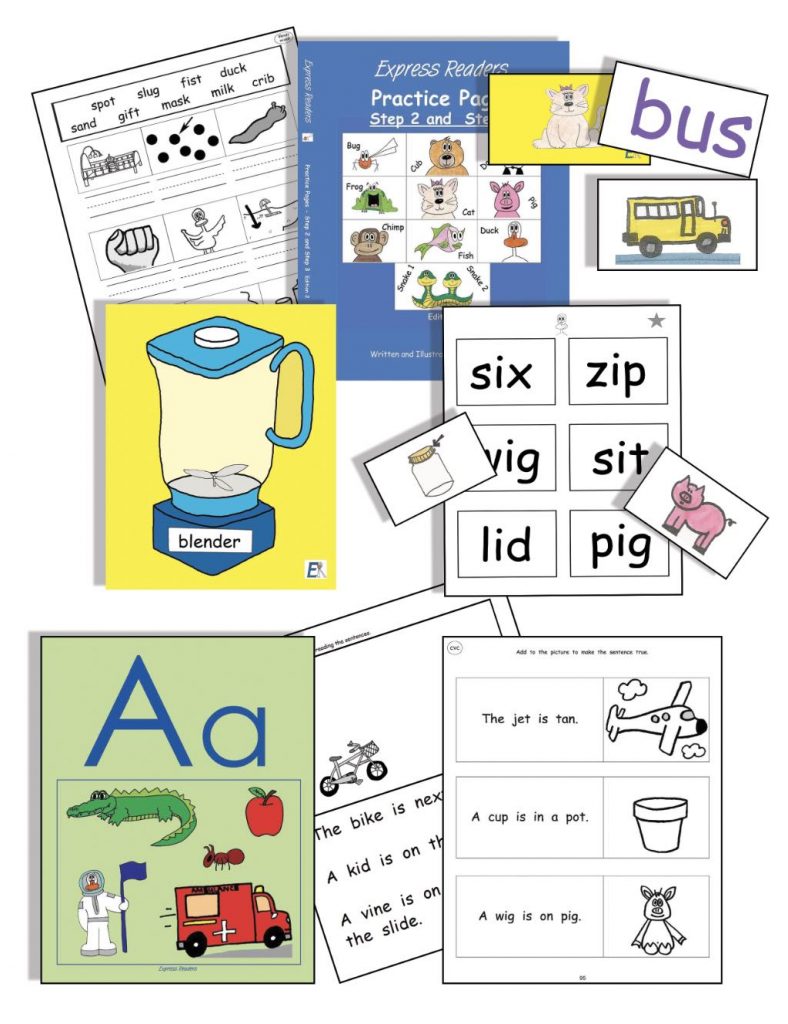
Phonics is the knowledge of sound-to-symbol relationships. Learning to decode and encode is based on mastery of phonics and through a systematic scope and sequence, students are taught and review sound spellings to mastery. With hands-on activities, explicit lessons, and consumables, teachers can teach, help students practice, and provide a review for all the phonics skills in the foundations of reading.
Supporting Resources:
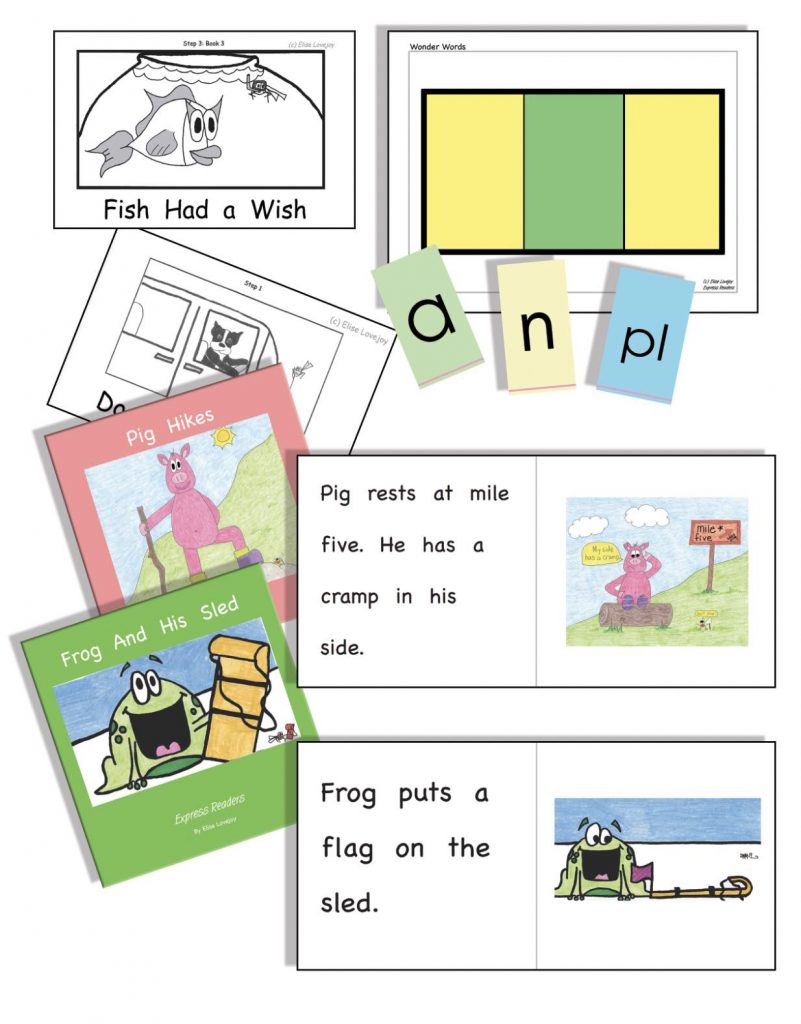
Learning phonics is directly followed by the practice of identifying phonics in words, blending, and connecting meaning to decoded words.
Through word building and decodable text, students use their learned skills to read words and demonstrate reading comprehension of words they read and the stories read independently.
Supporting Resources:

Reading comprehension and the ability to access information, knowledge, and various text is the goal of reading instruction. As students grow their phonics knowledge, practicing reading text for comprehension is essential. Students practice through decodable reading comprehension pages and small group discussions. Fluency is explicitly taught and practiced with the decodable books and through activities such as Express Theater (found in the Tool Kits).
Supporting Resources:

Sight words in the Express Readers program are categorized as either see-me-say-me words or sticky words.
See-me-say-me words are words that are decodable at the skill level of the child and are high frequency. Many sticky words from previous Steps become see-me-say-me words in Step 6.
Sticky words are words that have irregular spellings or are not decodable for the student yet. Students need to orthographically map the difficult sound-spellings to retain and retrieve those words quickly during reading. Sticky words are identified, mapped, and then practiced in decodable activities until mastery.
Supporting Resources:
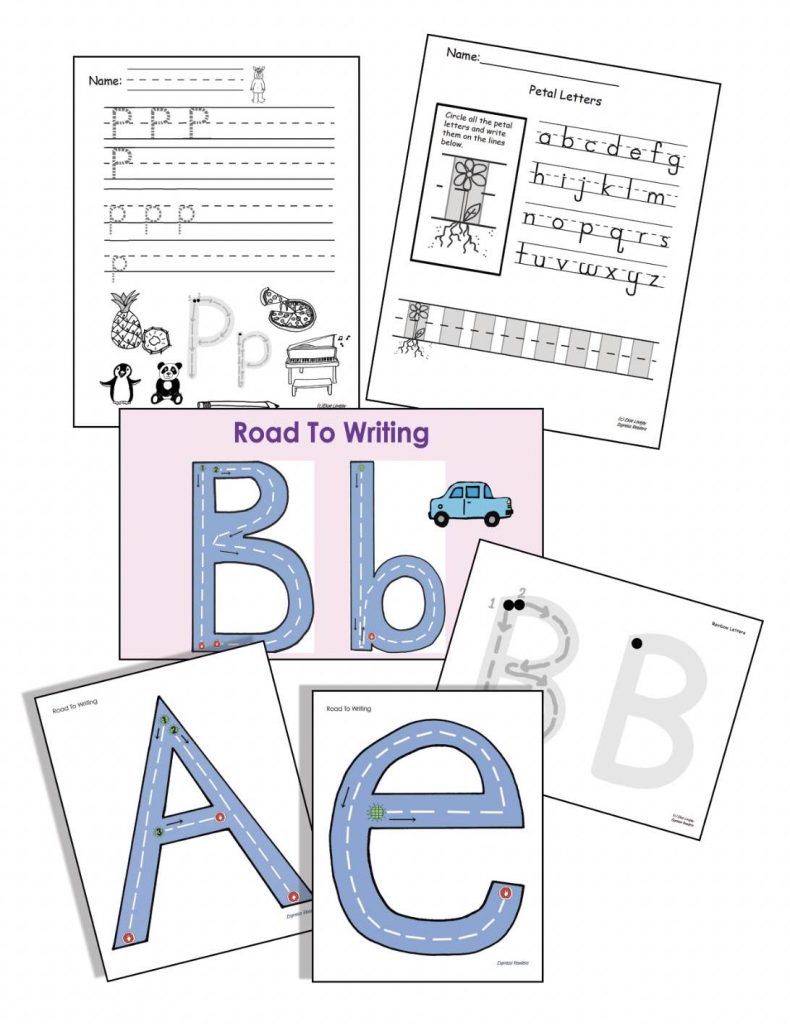
Handwriting is a combination of skills; Express Readers believes that in order for students to feel successful, we need to help scaffold the process for children and provide adequate practice at all levels.
Students begin with a focus on the direction of letters and the large, muscle-memory for formation; next, students learn and practice holding a writing utensil with the specific purpose of writing letters; Ultimately, students learn and work to fit their letters correctly within handwriting lines.
Supporting Resources:
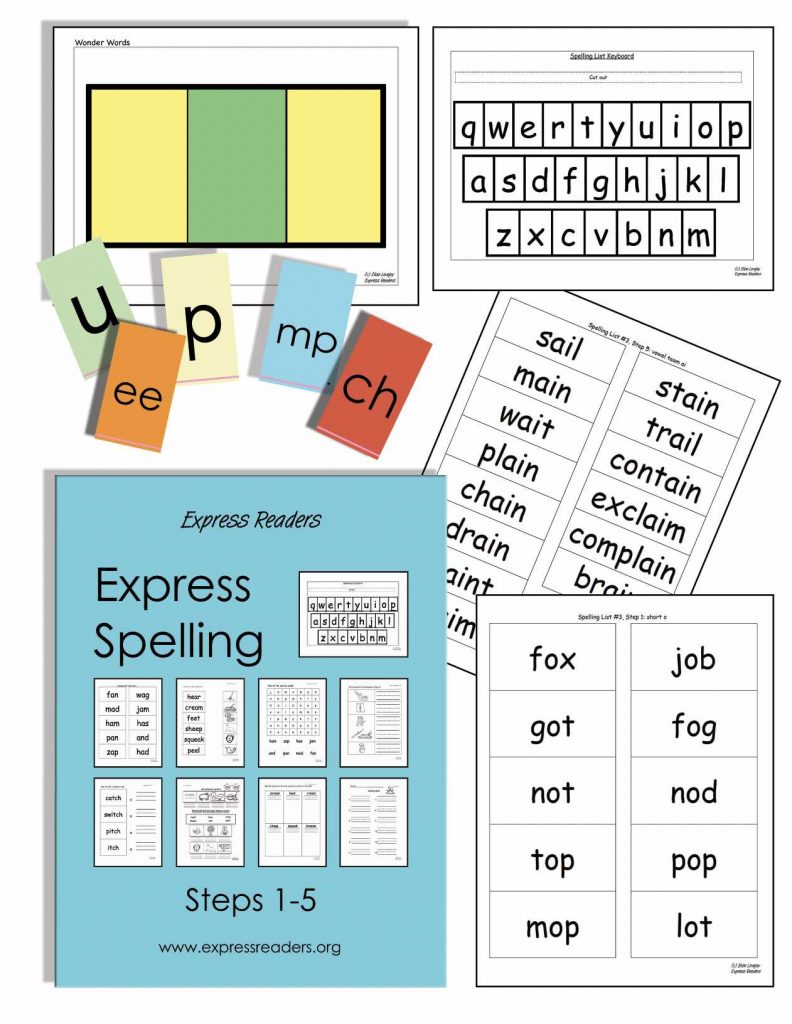
Spelling connects to mastery in reading, as encoding solidifies decoding and the mapping of words for automaticity.
Spelling is also the beginning of mastery in writing fluency, as student quickly identify the sound-spellings in the spoken words they wish to use in writing.
Students work with dictation activities and decodable spelling lists to practice their ability to say a word and spell that word correctly.
Supporting Resources:
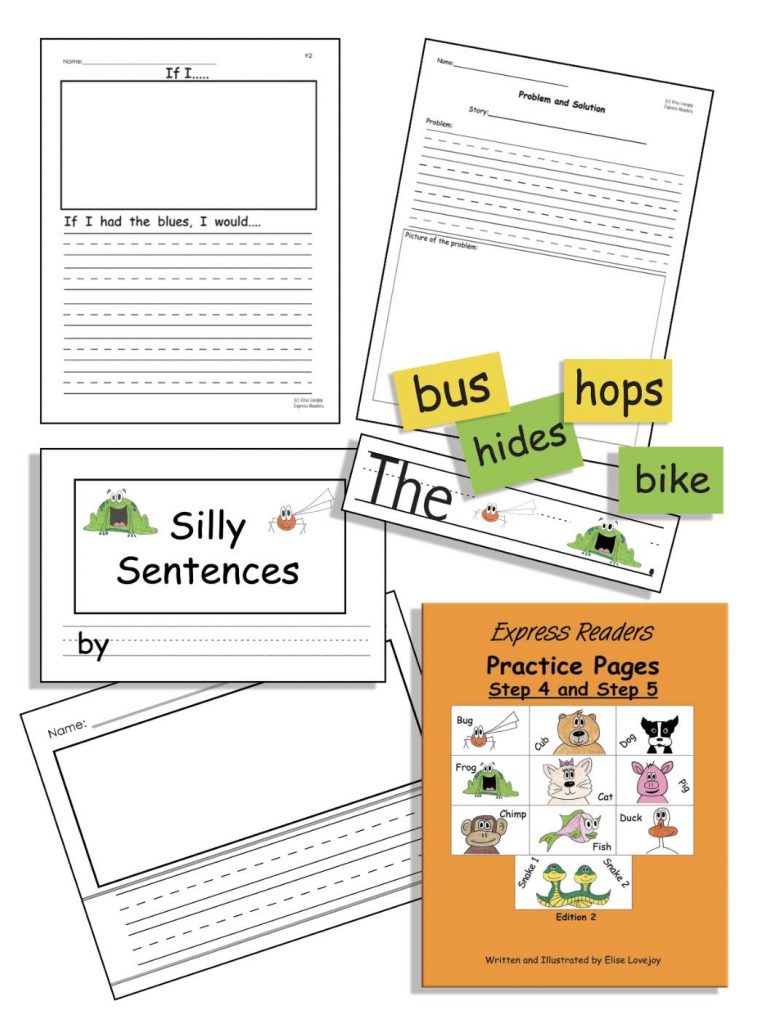
The basics of sentence structure, grammar, and writing are specifically taught within the Steps 1-5 program during lessons. With a strong foundation for writing, students will be able to show reading comprehension and expression with greater detail and accuracy, as well as with fluency and ease.
Practice is also provided in a multitude of outlets, such as Silly Sentences, story element activities, certain Practice Pages, and more. Creative and journal writing opportunities are planned within connection activities and story elements.
Supporting Resources:

Already a member? Please Login here