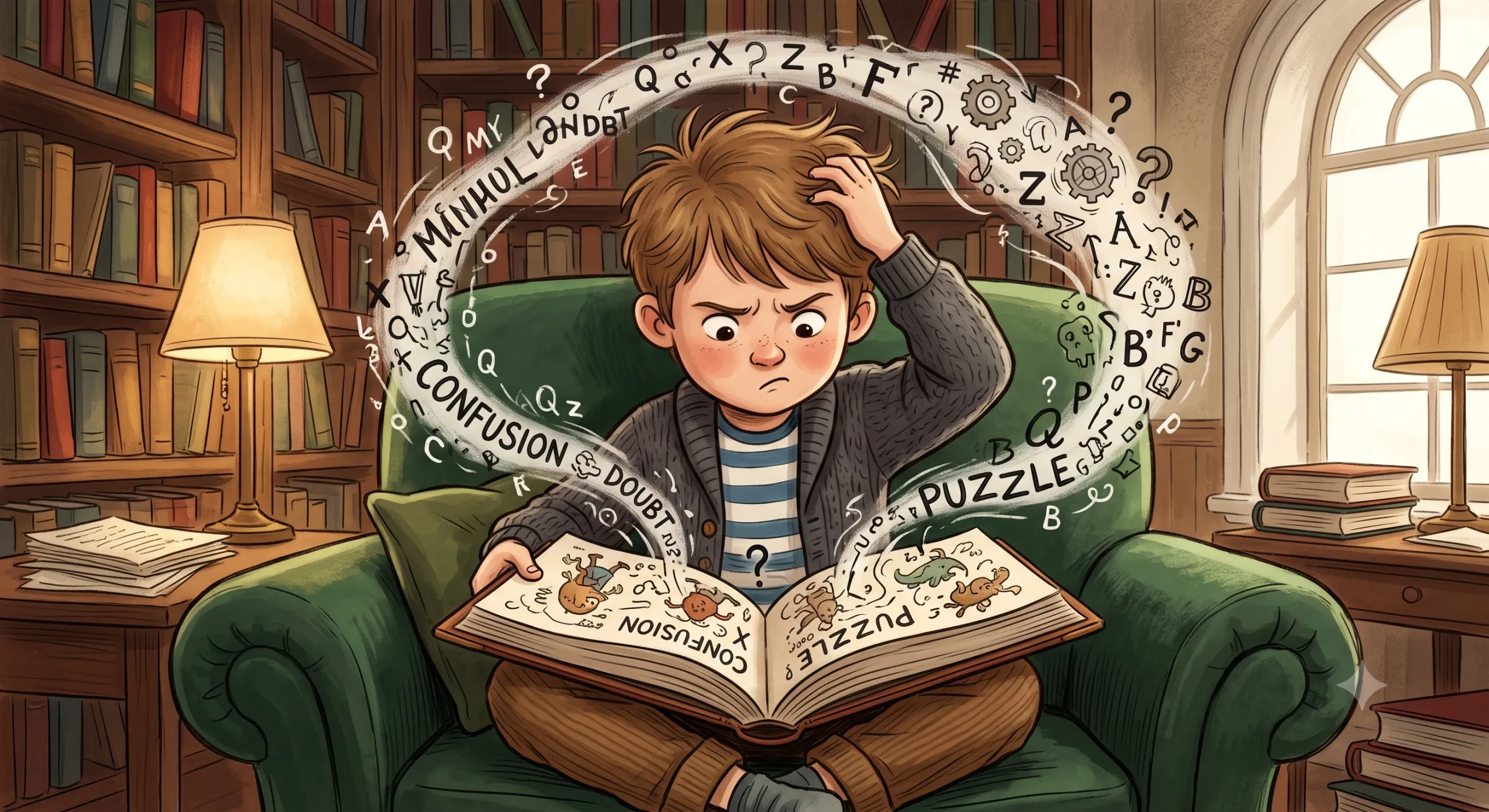
Roughly 1 in 5 children shows signs of dyslexia, and for many of them, the wrong reading instruction — or no instruction at all — leads to more than a reading gap. It leads to reading trauma: anxiety, avoidance, and a quiet loss of self-confidence that can follow a child for years.
The good news is that dyslexia is one of the most well-researched learning differences. With early identification and the right intervention, dyslexic students can and do learn to read. One of the most effective tools in that process — when chosen carefully — is the decodable book.
Let’s break down why decodable books work for dyslexic readers, how to choose the right ones, and what to do when a student is still struggling despite good instruction. Whether you’re a classroom teacher building your Tier 1 library or a parent trying to support reading practice at home, these strategies are meant to be usable today.
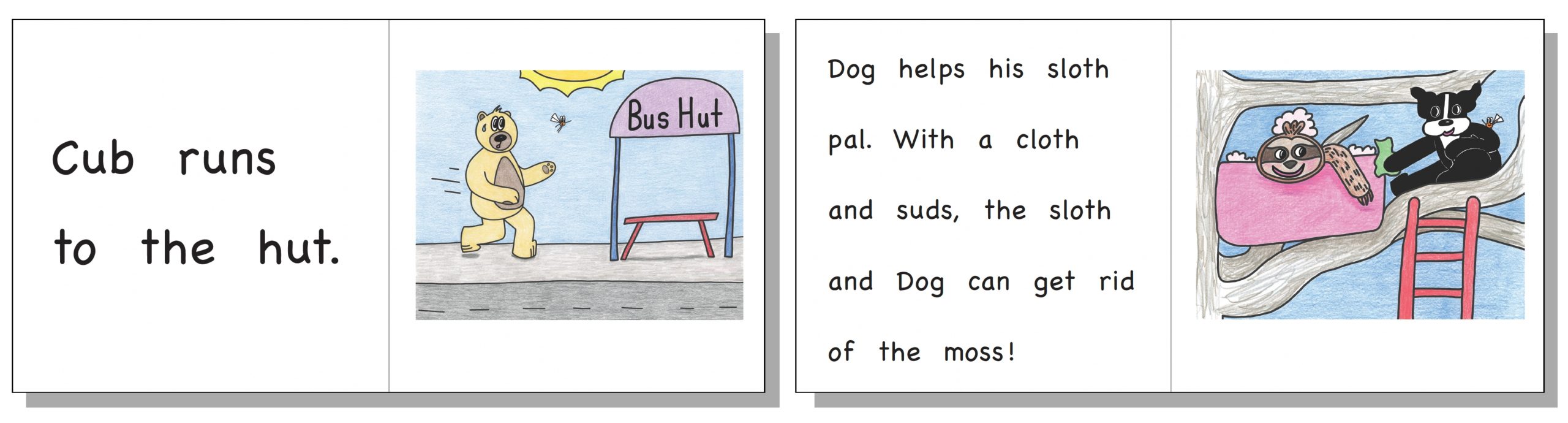 4. Match Books to the Student’s Age and Interests
An 8-year-old reading at a beginning-decoding level still deserves books that don’t look like they belong to a much younger child. Look for decodable series designed to resemble age-appropriate chapter books, and — whenever possible — let student interest guide book choice. Engagement is fuel for persistence.
Why Decodable Books Support Dyslexic Readers
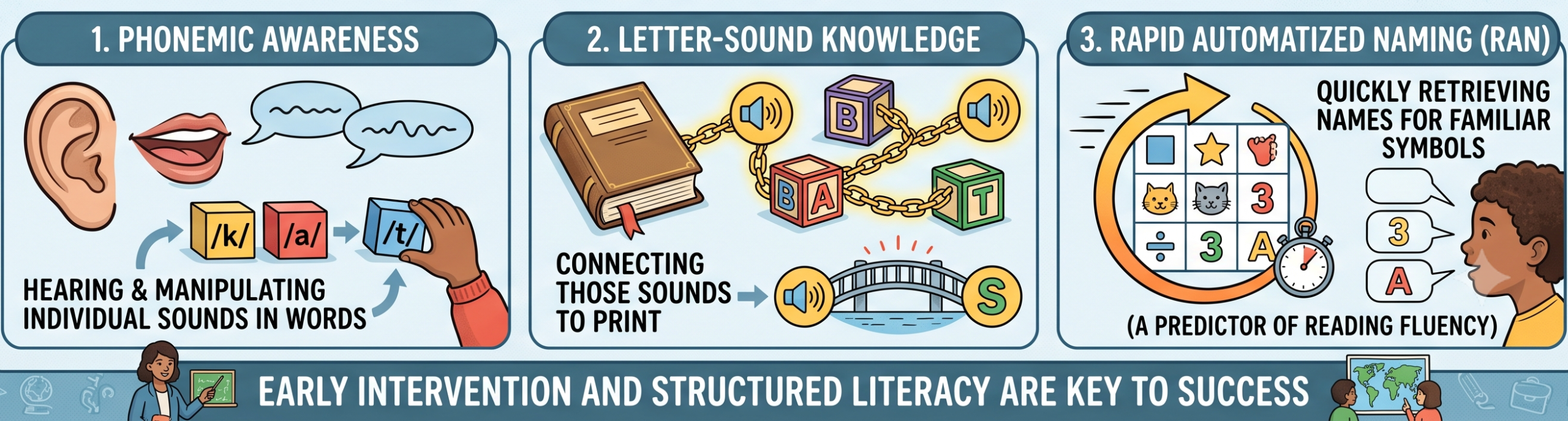
Dyslexia is the most common reading disability, and it disrupts a very specific set of skills — not general intelligence or motivation. Research points to early deficits in three areas for children with dyslexia or decoding difficulty:- Phonemic awareness — hearing and manipulating individual sounds in words
- Letter-sound knowledge — connecting those sounds to print
- Rapid automatized naming (RAN) — quickly retrieving names for familiar symbols, a predictor of reading fluency
How to Choose Decodable Books for Dyslexic Students
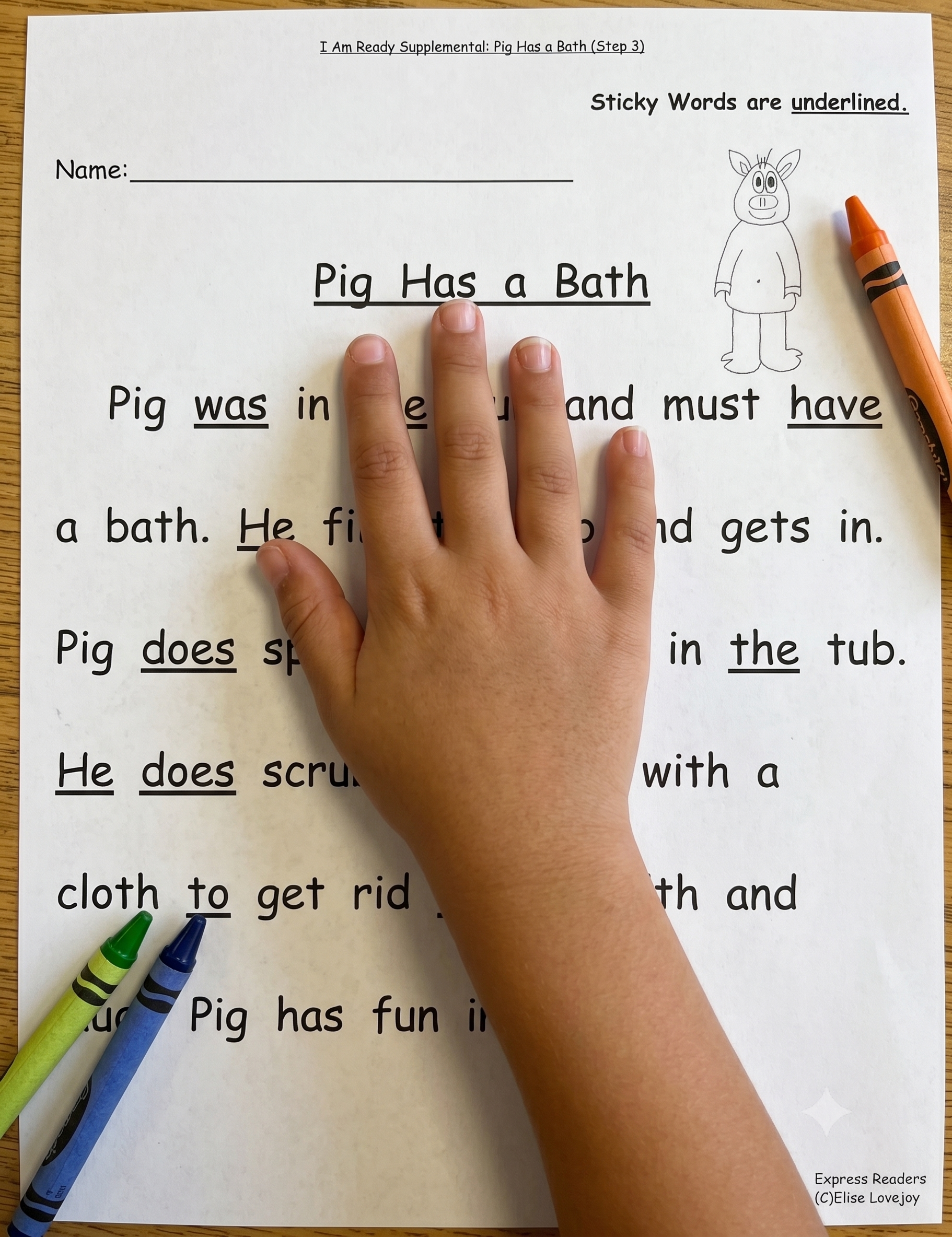
Not all decodable books are created equal, and picking the right one can make the difference between a productive practice session and a frustrating one. Here’s what to look for. 1. Match the Text to Taught Skills Only A decodable book should reinforce sound-spellings a student has already learned. It’s fine for a book to review older skills, but it shouldn’t introduce more than one new phonics skill at a time — otherwise you’re testing, not practicing. 2. Preview Irregular and Sight Words in Advance Before a child reads independently, flag any irregularly spelled or not-yet-decodable words. Previewing removes an obstacle that could otherwise derail confidence mid-page and turns a potential failure point into a non-issue. 3. Consider Visual Presentation Every reader has different visual needs. Ask:- Does the student get overwhelmed by dense text? Look for books with more white space.
- Does spacing between words or lines affect fluency? Try a series with wider spacing.
- Would a larger font support focus on decoding? Choose accordingly.
4. Match Books to the Student’s Age and Interests
An 8-year-old reading at a beginning-decoding level still deserves books that don’t look like they belong to a much younger child. Look for decodable series designed to resemble age-appropriate chapter books, and — whenever possible — let student interest guide book choice. Engagement is fuel for persistence.
When a Student Is Still Struggling With Decodable Books
Even with systematic instruction and well-matched texts, some dyslexic students continue to struggle. That’s not a sign to abandon the approach — it’s a signal to look closer.- Reassess text load. If a book has too many words per page, a struggling reader may not make it to the end with enough working memory left for comprehension. Look for shorter, more manageable texts so the child can finish with a sense of accomplishment.
- Target the specific sound-spelling causing trouble. Identify the pattern a student keeps missing, then find more decodable text — plus hands-on practice outside of books, like phonics card games — to build repetition around just that skill.
- Make the pattern visible. Have students highlight or color the specific letters in a tricky spelling. Visually isolating a pattern helps the brain map it more precisely, which supports the orthographic mapping process dyslexic readers often need extra support with.
Where Technology Fits (and Where It Doesn’t)
Ed-tech tools have real value for dyslexic students — just not as a replacement for decoding practice. Text-to-speech gives students access to grade-level content and vocabulary regardless of their decoding level. Audiobooks build language comprehension even while decoding is still developing. Speech-to-text lets students express their thinking without the added executive-function load of handwriting. What technology generally can’t do yet is replace the actual mechanics of learning to decode. That still requires explicit instruction, responsive to the individual student’s needs, and well-matched decodable text — the human, systematic side of literacy instruction technology is designed to support, not substitute.Connecting the Classroom to Home
Reading growth for a dyslexic student depends on consistency — and that means the work can’t stop at the classroom door. Once a phonics skill has been taught, sending home decodable books that reinforce it (and only it) turns homework into confidence-building practice instead of a nightly struggle. A few things for parents to keep in mind:- Keep reading aloud to your child, even as their decoding catches up. Listening comprehension and vocabulary can — and should — keep growing regardless of where decoding skills currently stand.
- Make decodable practice a daily habit, even in small doses. Consistency matters more than length.
- Communicate with your child’s teacher about which sound-spellings have been taught, so home practice stays aligned with classroom instruction.