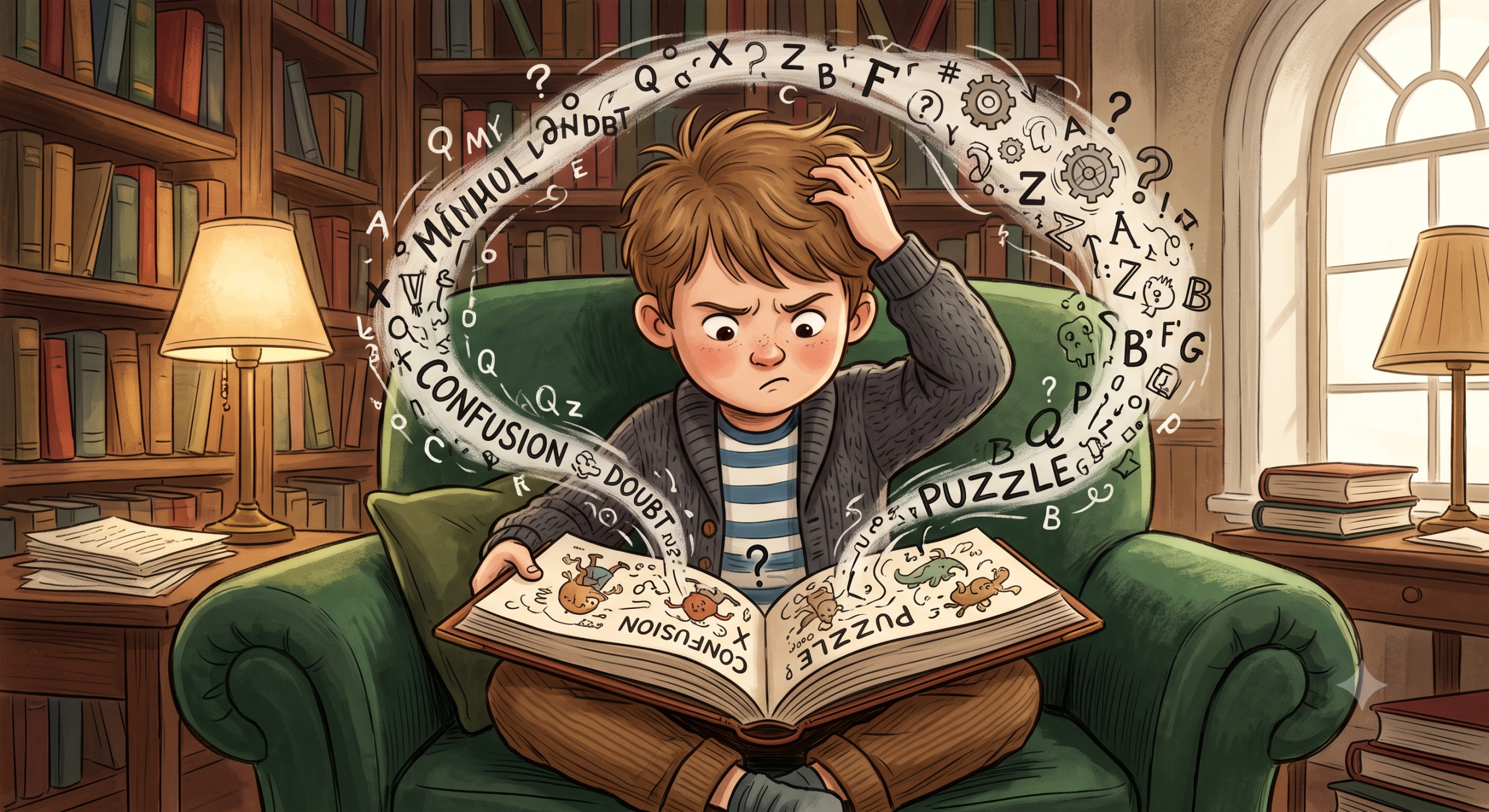
Walk into any classroom or bookstore’s kids’ section and you’ll find no shortage of books marketed to beginning readers — leveled texts, predictable books, “Level A” stickers on everything in sight. But a label doesn’t guarantee a book actually teaches a child how to read. Many of these popular formats quietly train students to guess words from pictures or repeated sentence patterns, rather than sound them out.
Decodable books work differently. Because they’re built entirely around sound-spelling patterns students have already been taught, they give beginning readers real, repeatable practice applying phonics knowledge — not memorizing shapes or guessing from context. Here’s why that distinction matters so much, and what it means for both classroom instruction and home reading routines.
1. Decodables Build a Real Reading Foundation
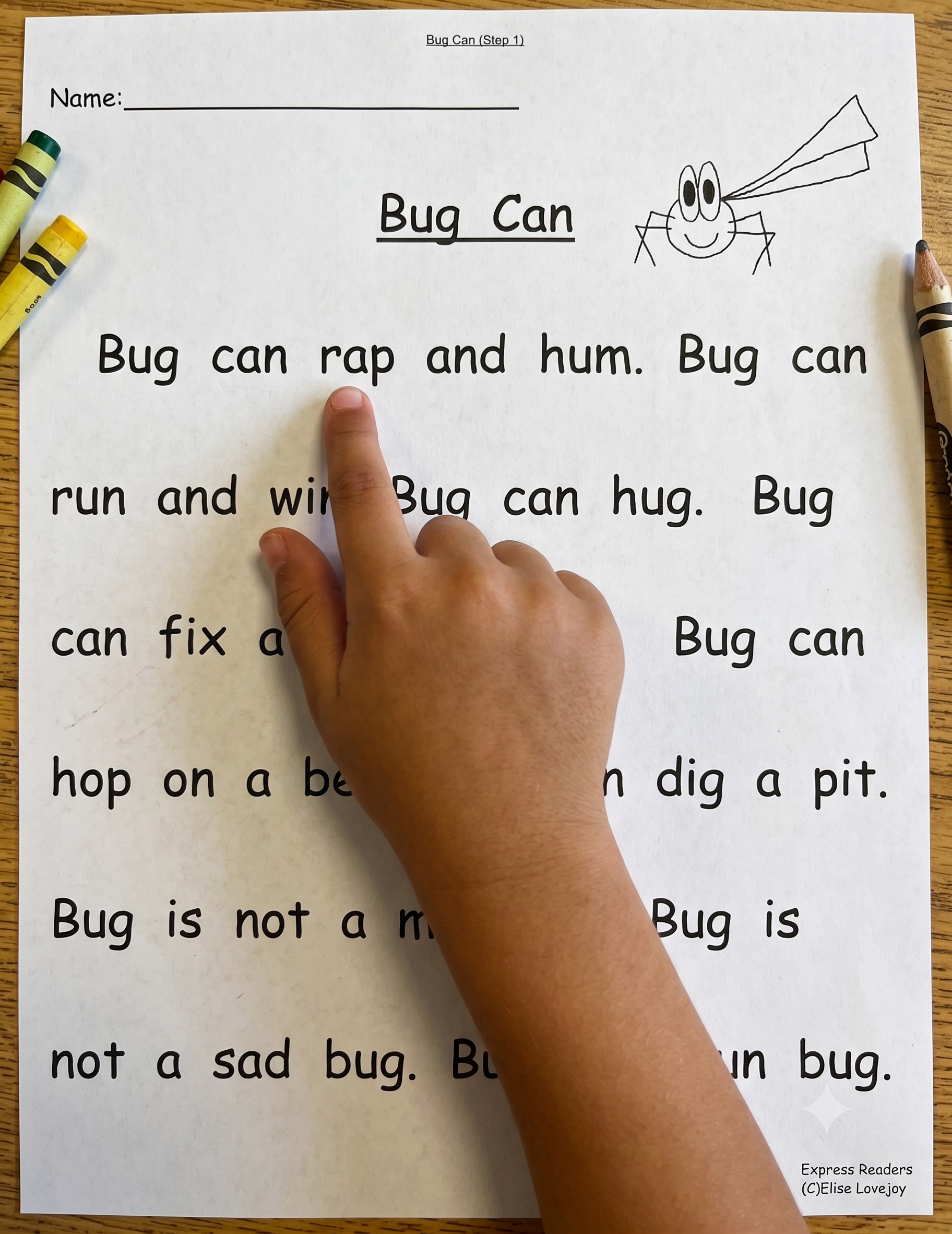
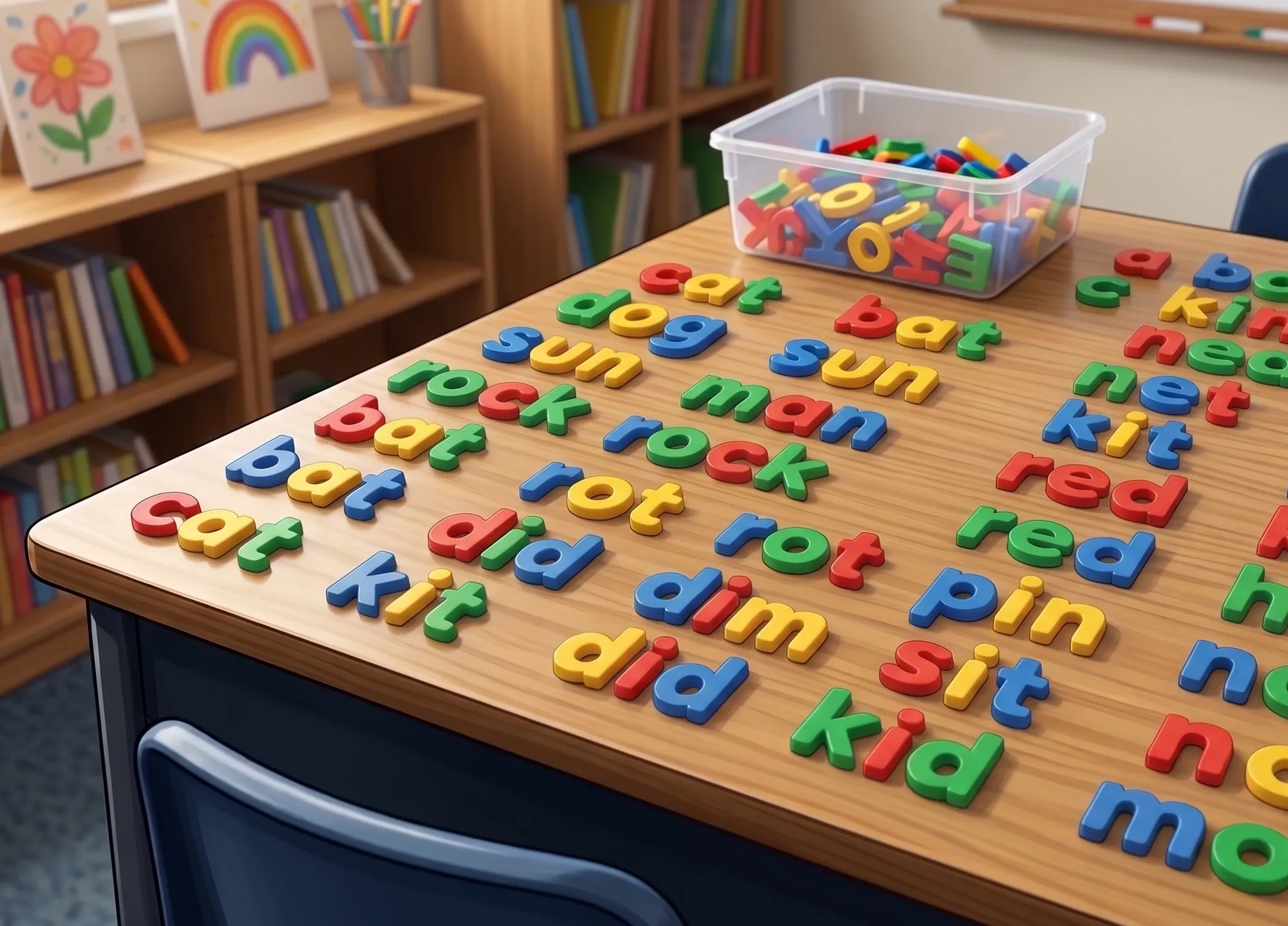
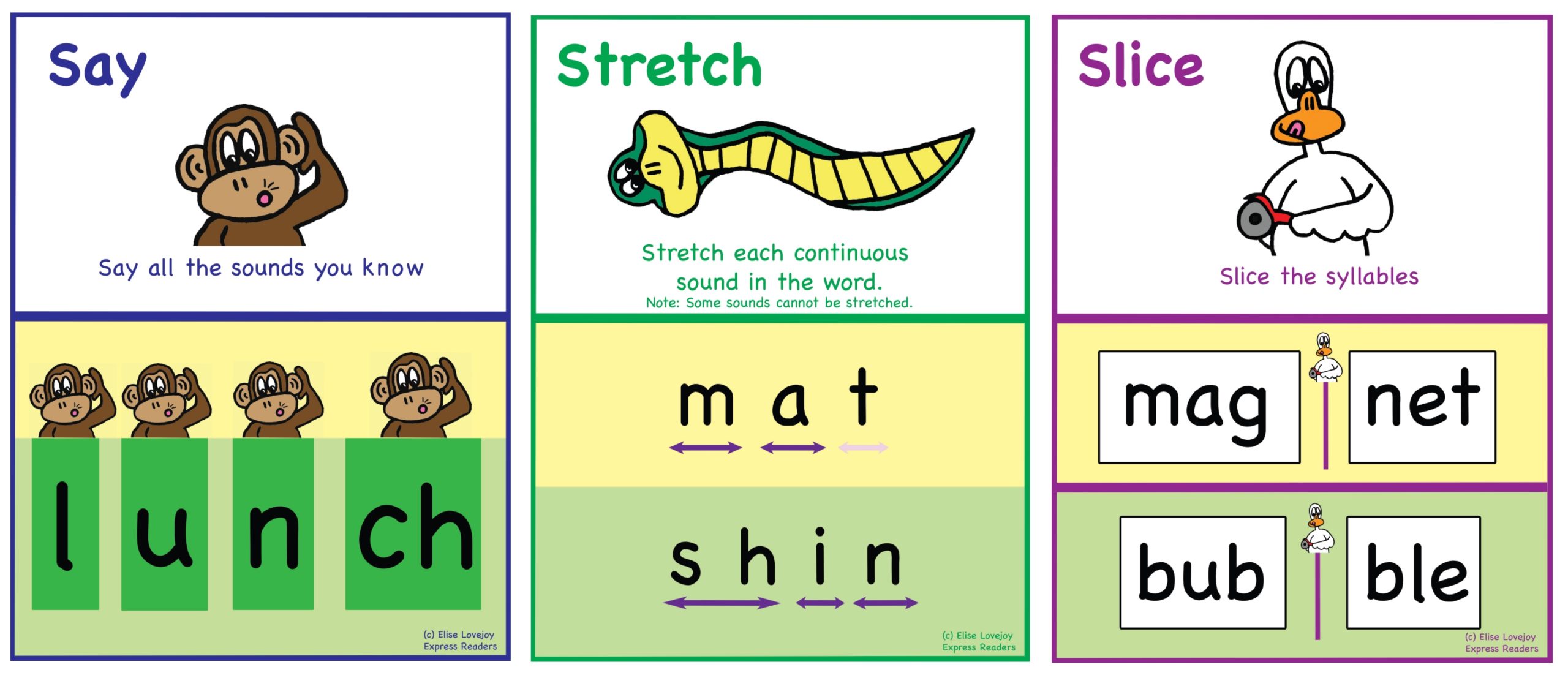
Leveled and predictable texts often train students to guess unfamiliar words from context or pictures — a strategy that can look like reading success early on but breaks down the moment a child hits unfamiliar text without those supports. Decodable books work the opposite way. If a student has learned the sounds in “cat” — /k/, /a/, /t/ — a decodable text lets them apply that exact knowledge, then builds on it. A well-sequenced decodable series scaffolds gradually: starting with simple CVC words, then adding blends, digraphs, and vowel patterns like silent “e,” one new skill at a time. That incremental structure means students aren’t just learning a handful of memorized words — they’re learning a system they can apply to any new word they encounter.2. Decodables Can Introduce Sight Words Effectively
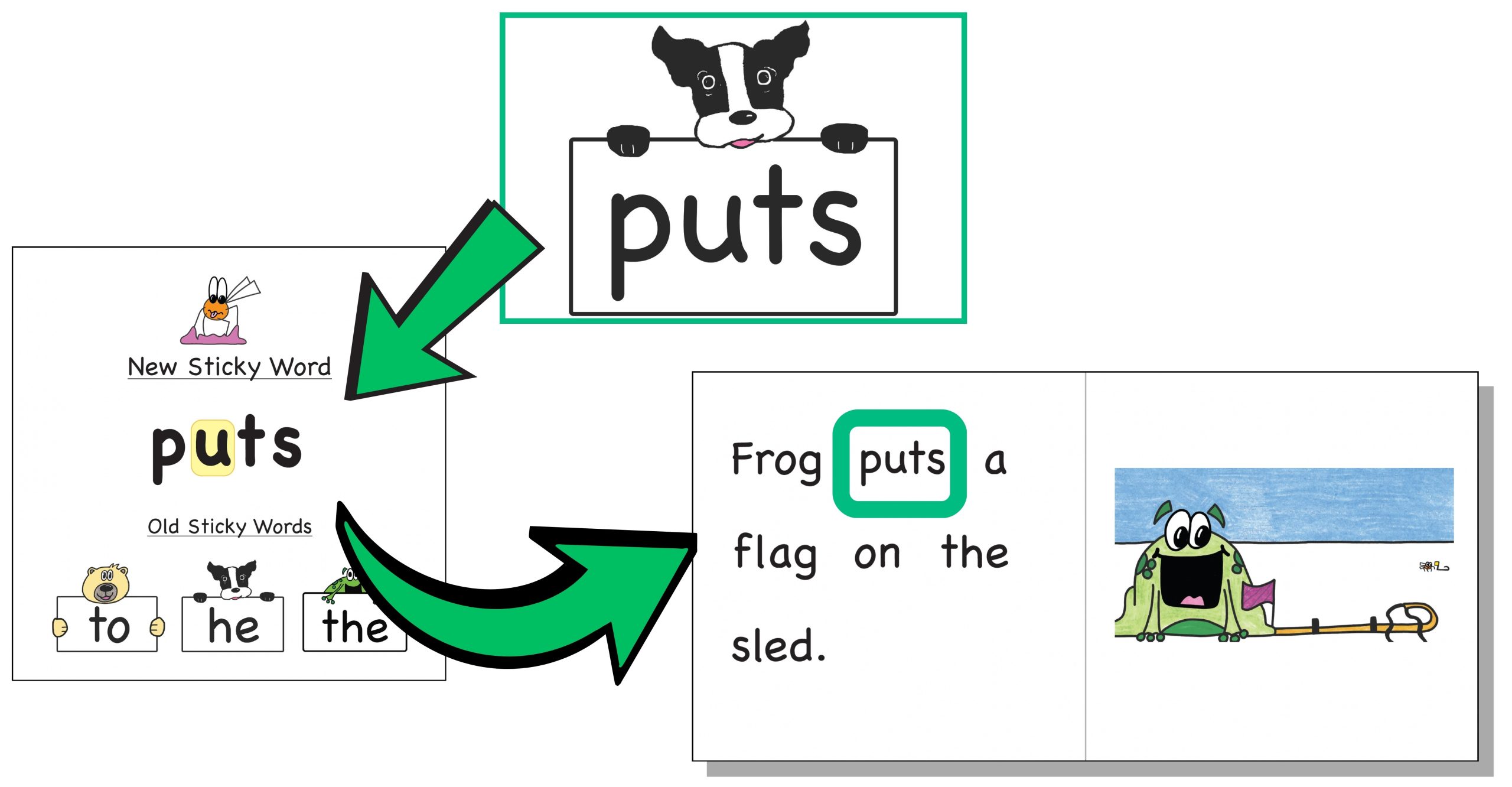
Not every word in a decodable book will be fully decodable — irregularly spelled high-frequency words (called “sticky words” in Express Readers) still show up, since a book with zero exceptions would barely make sense as a story. The key is how those words are handled: explicitly taught in advance, introduced gradually, and practiced repeatedly in real text rather than drilled from an isolated list. This matters because sight words aren’t meant to be simply memorized — they’re meant to be orthographically mapped, meaning a student learns the word’s actual letter-sound structure well enough to retrieve it automatically later.
3. Decodables Support Struggling Readers
Because decodable text is tightly controlled, it removes most of the obstacles a struggling reader would hit in a typical “early reader” book. That controlled environment lets a student apply what they’ve been taught without constantly running into words outside their current skill level — a purer, less frustrating form of practice. One caveat worth flagging for teachers: not all decodables are equally well-made. It’s worth previewing any decodable text to confirm it still tells a coherent, meaningful story — struggling readers and beginning readers deserve engaging material just as much as any other reader.4. Decodables Build Real Reading Confidence
Once a student can sound out an unfamiliar word independently, something shifts — they start to trust their own ability to read, rather than relying on someone else to supply the word. That’s the heart of the structured literacy approach: not front-loading a handful of memorized words, but equipping students with tools they can apply to any unfamiliar text. A child who can decode feels safer and more capable in the reading process overall — and that confidence tends to compound.5. Decodables Improve Reading Comprehension
Choppy, effortful decoding eats up mental bandwidth a student needs for actually understanding what they’re reading. Decodable books address this by scaffolding complexity carefully, so students can decode with increasing ease — freeing up cognitive space to focus on meaning instead of just sounding out words. Comprehension also depends on vocabulary and background knowledge, which is why rich read-alouds and discussion still matter alongside decodable practice. But repeated, successful decoding practice is what builds the fluency and automaticity that comprehension depends on.
6. Decodables Help Parents Stay Connected to Classroom Learning
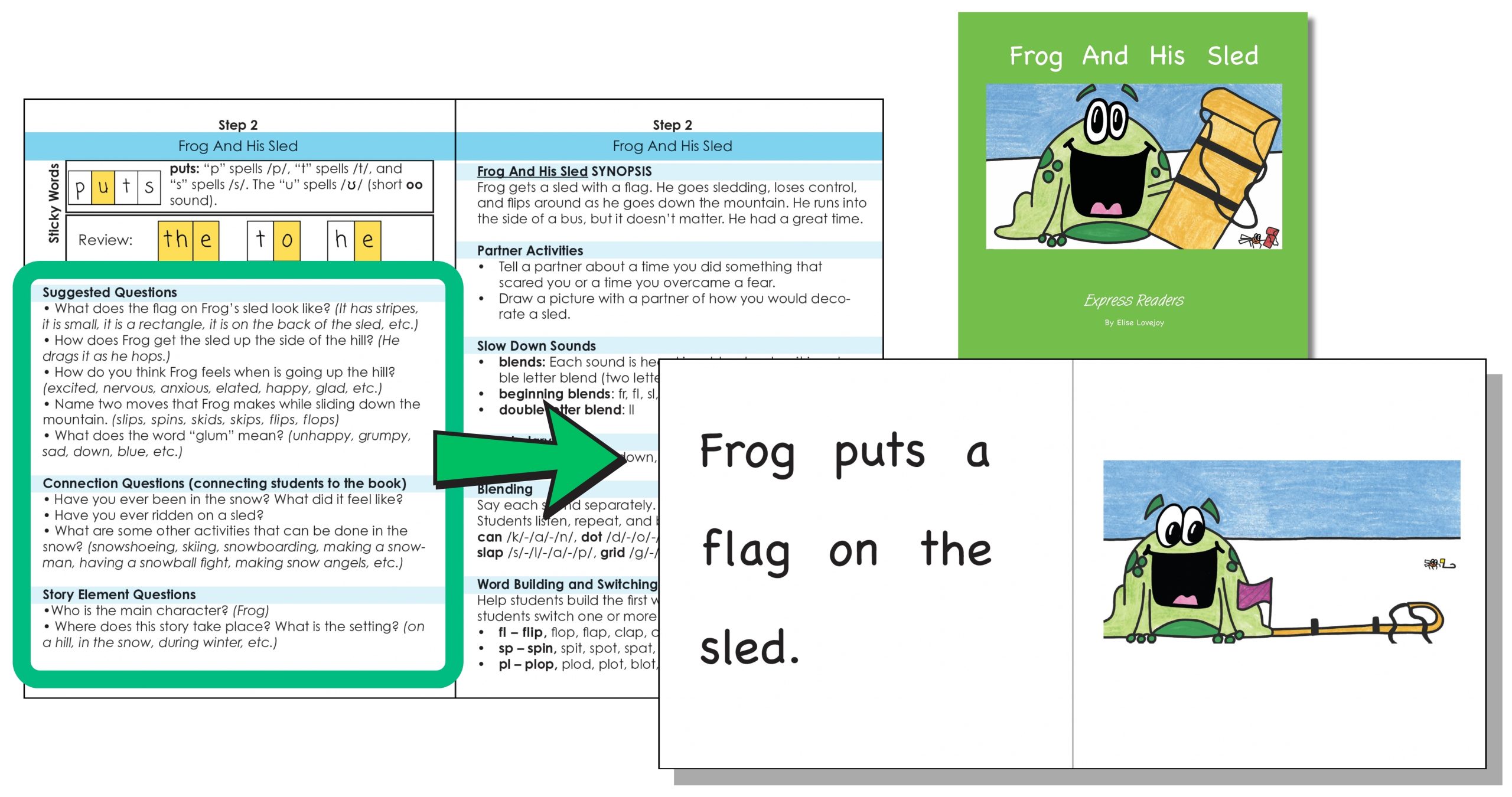
Decodable books make it easy for parents to see exactly what a child is working on, since the target skill is usually labeled directly on the book. That transparency turns home reading time into genuine reinforcement rather than guesswork — parents can reference the same sound-spelling patterns their child’s teacher is using in class. Sight word practice extends naturally into the home this way too — repeated exposure at home supports the same orthographic mapping process happening at school.7. Decodables Give Teachers a Direct Line Into Phonics Instruction
Because decodable books are built around a scope and sequence, they slot naturally into classroom phonics lessons. Teachers can introduce or review a skill, then hand students a decodable book for immediate, support practice — partner reading and whisper reading are both easy ways to structure this in small groups. That immediate connection between instruction and practice is what helps a new phonics skill actually stick.
The Bottom Line
Decodable books work because they make the relationship between phonics and reading direct and visible — students aren’t guessing their way through text, they’re applying a system they’ve been explicitly taught. That foundation is what allows beginning readers to eventually tackle more complex text with real independence. Whether you’re a teacher building a classroom library or a parent looking to support reading practice at home, decodable books are one of the most effective tools available for setting a beginning reader up for long-term success.